
A good indoor day starts with the subject your group wants to explore. Sea life, space, dinosaurs, and hands-on science offer quite different kinds of visits. Choose that shared interest first, then check how much of the experience is actually inside.
What would make your group stop and look closer? These five choices span Long Beach, Los Angeles, and La Jolla, so compare them from your own starting point rather than joining them into a day route. An indoor gallery still comes with a journey from the car, station, or hotel.
For a quick start, use the table to narrow the subject. Then read the matching section for the practical choice behind it. None of these options comes with a promise of quiet galleries, an empty parking lot, or weather-free travel.
| Attraction | Start here if your group wants | Check before choosing |
|---|---|---|
| Aquarium of the Pacific | A visit built around marine life | Reservation rules and indoor versus outdoor areas |
| California Science Center | Science galleries and a flexible set of interests | Separately ticketed experiences and current displays |
| Natural History Museum of Los Angeles County | Natural history and a museum-led day | Admission, add-ons, and closure dates |
| Griffith Observatory | Astronomy exhibits and a possible planetarium show | Building hours, show tickets, and the hilltop journey |
| Birch Aquarium | A coastal aquarium visit in the San Diego area | Tickets, parking, and outdoor parts of the route |
1. Aquarium of the Pacific for a marine-life focus
The Aquarium of the Pacific in Long Beach is worth considering when animals and ocean habitats are the main reason for the outing. Its official visitor information highlights sea otters, sharks, jellies, and galleries about different Pacific regions. That gives a group several ways into the same broad subject.
Start by asking what people hope to see. One child may be fascinated by jellies while an adult wants to spend longer at a habitat display. Pick two or three shared interests and leave room to follow an unexpected favorite. You do not need to turn the animal list into a completion game.
Check the actual gallery and outdoor-area mix before treating it as a rainy-day answer. Look at the visitor map and choose a route that suits the forecast and the people attending. If a particular experience is essential, confirm its current status rather than assuming every part of the site is indoors or open.
The aquarium's published visitor information requires reservations on weekends and holidays, including for members. Read the current booking instructions for your date and ticket type. A membership or a paid ticket should not be treated as proof that every entry requirement has been met.
Think about meals before entering. Decide whether you want to eat at the venue or make a separate meal part of your Long Beach day. Check the current food and re-entry rules before leaving belongings or plans outside. The aquarium should be the anchor of the outing, rather than a rushed stop between unrelated bookings.
This is a strong option to investigate when the group already has a clear ocean interest. If you are still deciding whether sea life or a wider range of subjects will hold attention, our aquarium or museum comparison lays out that choice. Let the interest decide before comparing ticket totals.
Your next step: read the aquarium's admission instructions, choose the shared marine-life highlights, and check the route from your actual starting point. Keep the rest of the day simple enough to let those highlights breathe.

2. California Science Center for several ways into science
The California Science Center in Los Angeles can suit a group whose science interests do not all match. Its core exhibition galleries have free general admission, with no general reservation required under the published visitor rules. Separately ticketed experiences, including IMAX films, have their own booking needs.
That distinction matters. Free entry to the main galleries does not mean every possible part of the visit is free, or that transport and parking disappear from the budget. Compare the visit you actually want, including any film or special experience, rather than using one admission headline as the total cost.
Choose a starting question for the group. It might be how a system works, how scientists study a problem, or what an exhibit lets visitors try. Let people choose different highlights while keeping a few shared stops. A science visit works well when there is time to wonder, discuss, and sometimes double back.
Do not build the trip around an old photograph of a display. In particular, check the official information about Space Shuttle Endeavour and the developing Samuel Oschin Air and Space Center. Display arrangements and opening announcements can change. Confirm what can actually be seen on your date before making a promise to an excited visitor.
The center is in Exposition Park, so nearby attractions may catch your eye. Resist adding another full museum simply because its address looks close. Different entry times, lunch, security, and gallery choices still need room. Our questions before adding a second attraction help you test whether the extra stop improves the day.
For groups, read the separate booking instructions. The visitor page directs groups of 20 or more to make reservations. A school, club, or larger family gathering should not borrow the plan that works for two people visiting the general galleries.
Your next step: list the exhibits or experiences you want, separate free gallery access from any paid additions, and decide how much time you want to give them. Choose this option for the science your group wants to explore, not just the admission price.
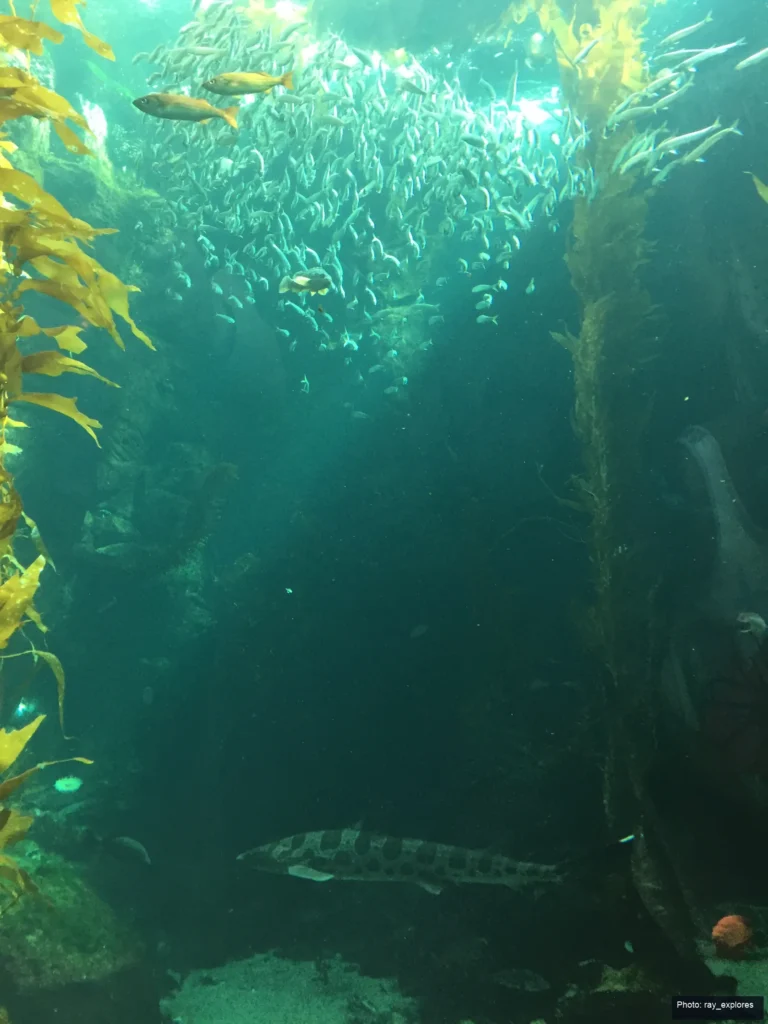
3. Natural History Museum of Los Angeles County for a museum-led day
The Natural History Museum of Los Angeles County is another Exposition Park option, with its own admission and visiting rules. It makes sense to investigate when the group wants natural history to lead the outing. Check the current exhibition directory for the particular subjects people hope to see.
Ask for one must-see from each person. A dinosaur interest may shape one visitor's route, while someone else wants another part of the museum. Agree on a small shared core rather than assuming everyone wants to spend the same amount of time in every room. The aim is a visit with a clear thread, not a forced march through a floor plan.
Find the complete booking behind the exhibit that caught your attention. The museum recommends advance online tickets and lists add-on programs and exhibitions separately; those also require general admission. Check how the pieces fit before paying for the show or exhibition you want to explore.
Read the closure calendar closely. The published visiting pattern includes a closure on the first Tuesday of most months, with a summer exception, as well as certain holidays. Verify the date you want directly with the museum. A nearby attraction being open does not establish this museum's hours.
Make your indoor plan from the actual museum map. Do not assume that every nature-related part of the wider visit is enclosed. If the forecast is the reason you are changing plans, identify the indoor highlights first and treat any outdoor time as an optional addition that depends on conditions.
A museum day also benefits from a comfortable stopping point. Choose somewhere to pause, decide what happens when one person has seen enough, and check the food rules before packing lunch. Our ways to build a day around a museum offer a useful framework without requiring another major attraction afterward.
Your next step: confirm the museum's opening date, the admission needed for your chosen experiences, and a manageable first route. Keep a second group of galleries as an option rather than a duty. Leaving with a favorite is a better goal than leaving with every room crossed off.
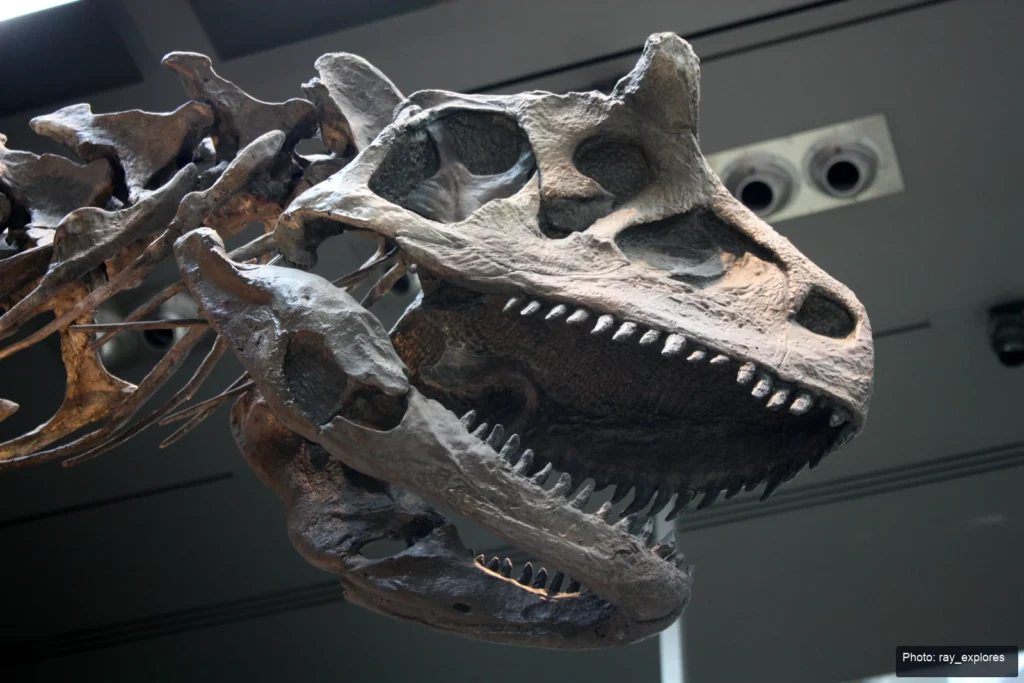
4. Griffith Observatory for astronomy, with a hilltop plan
Griffith Observatory offers indoor exhibits about space and astronomy, with live presentations in the Samuel Oschin Planetarium. Building admission is free under its published visitor information. Read the separate planetarium information for the show you hope to see, including its ticket and age rules.
Choose this because astronomy interests your people. The building's views are well known, but an indoor backup plan should stand on its indoor experiences. If the sky is dull or visibility is poor, would the exhibits and a suitable show still make the journey worthwhile? Answer that before driving up the hill.
The journey deserves as much attention as the gallery list. Compare the official getting-here options, parking arrangements, and the walk to the entrance. Free building admission is not the same as free nearby parking. Nor does a short distance on a city map tell you how the final approach will feel.
Check building hours rather than relying on the park grounds being accessible. The observatory's published pattern closes the building on Mondays, with different weekday and weekend hours. Use the live calendar for your particular date and any special notice. An open road or viewpoint does not mean the indoor exhibits are open.
Keep outdoor plans separate. A telescope session, a view, or a walk on a nearby trail involves different conditions from a gallery visit. Do not promise a visible object in the sky or an outdoor program without checking what the observatory is offering. The indoor part should be useful even if the optional outdoor part changes.
The visitor guidance also says food and drinks are not permitted inside the building. Plan the meal before or after the gallery time, using the current rules for the place you choose. Our rainy-day planning guide can help you compare a genuine backup with a plan that still depends on the weather.
Your next step: confirm the indoor opening hours, review the planetarium options, and settle the transport plan. If those pieces fit, you have an astronomy outing with a clear purpose rather than a weather-dependent photo stop.
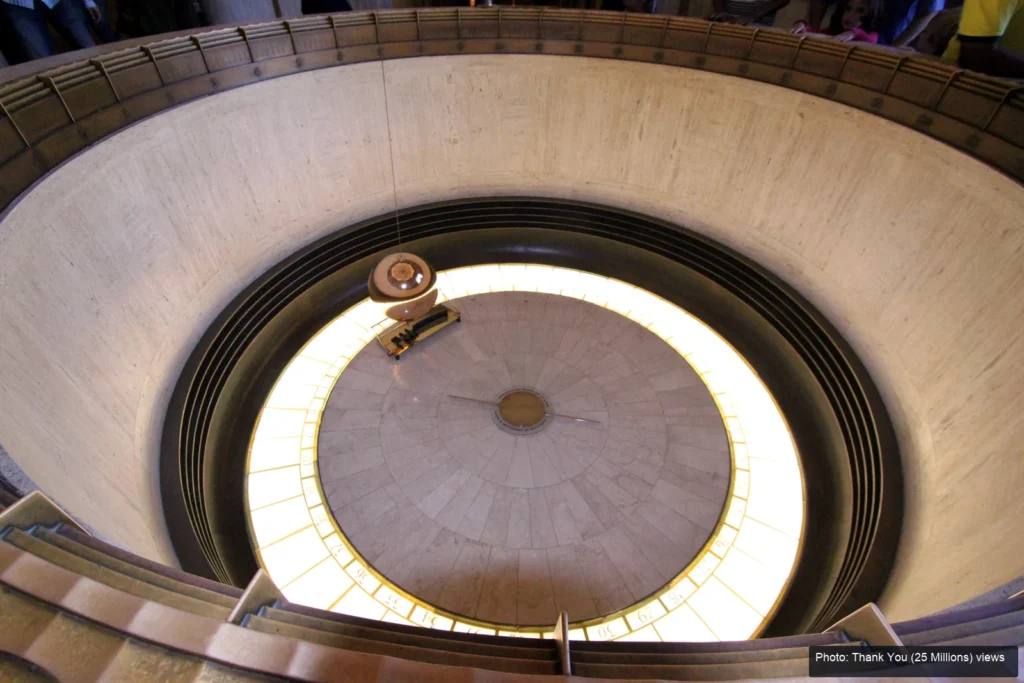
5. Birch Aquarium for a San Diego-area coastal visit
Birch Aquarium at Scripps is in La Jolla, in the San Diego area. It belongs on a shortlist built from that region, rather than as a casual extra stop on a Los Angeles museum day. Start with the travel distance from where you will actually be staying.
Use the aquarium's current exhibition information to choose the animals and science topics your group wants to explore. Then check which parts of the experience are indoors and which involve outdoor space. Its visitor guidance refers to Tide Pool Plaza and the Beyster Family Little Blue Penguins area, including ramps in those parts of the site.
That detail is useful when rain cover or walking comfort matters. Accessible does not mean every route has the same slope, distance, shelter, or sensory setting. Read the relevant visitor guidance and contact the aquarium when you need a specific answer. Avoid guessing from a single photo of a gallery.
Check tickets for your chosen day and arrival time. Online offers and ticket availability can vary, so read the actual product rather than treating an advertised saving as a fixed price. Keep the confirmation available and check what it says about arrival and changes.
Parking also needs a real plan. The published visitor page offers complimentary three-hour parking but notes that space is limited and restricts buses and large vehicles in the aquarium lot. Check current terms before leaving home. If your intended visit and meal would run longer, resolve that before deciding where to leave the car.
Leave some flexibility inside the visit. An aquarium can hold attention in different ways: a quick look at several habitats or a longer pause at one display. Our guide to aquarium visits with children can help you choose highlights without promising a fixed pace for every family.
Your next step: make Birch the main attraction for a realistic La Jolla outing, confirm the indoor route and ticket details, and choose one optional addition nearby. If your starting point is much farther north, compare the Long Beach or Los Angeles choices first. The best indoor plan is one your group can reach and enjoy comfortably.

0 thumbs up0 thumbs down
Was it useful? Pick a thumb.
Guides & stories
Keep the good ideas coming.
A few next reads to help with the choices ahead.

A little planning that goes a long way
Aquarium or Museum: Choosing an Indoor Family Day Out
Watching sea life and exploring a museum can both make a great family day. Compare the actual experiences, pace, booking details, and interests that help you choose between them.
Read article
A little planning that goes a long way
Rainy-Day Park Plans: What to Check Before Changing Your Trip
Rain in the forecast does not have to leave your plans in a puddle. Compare the park notices, booking rules, and indoor possibilities before deciding whether to keep or change your trip.
Read article