

A mixed-age park day works best when everyone has something to look forward to and no one spends the whole visit waiting for someone else.
Start with shared priorities. Add a few optional choices, sensible breaks, and clear plans for any time the group splits. You do not need everyone to want the same rides. You need a day that gives each person a fair place in the plan.
Age can help you ask questions, but it does not supply all the answers. A teen may want gentle attractions. A grandparent may love a coaster. A young child may care more about seeing one character than riding anything at all.
Ask each person for one real priority
Before choosing the park, ask what each person most wants from the day. Give them a little time to think rather than accepting the loudest person’s list as the group plan.
Keep the question specific. “Have fun” will not help you compare parks. “See a favorite story setting,” “try a big ride,” or “spend time together without rushing” gives the plan a clearer purpose.
With younger children, offer a few real options. Do not present a long list of attractions they may not be able to ride. Use the official pages to check requirements before treating an idea as a promise.
Write the priorities down in plain words. You should be able to point to something in the plan for each person, even if not every wish fits this trip.
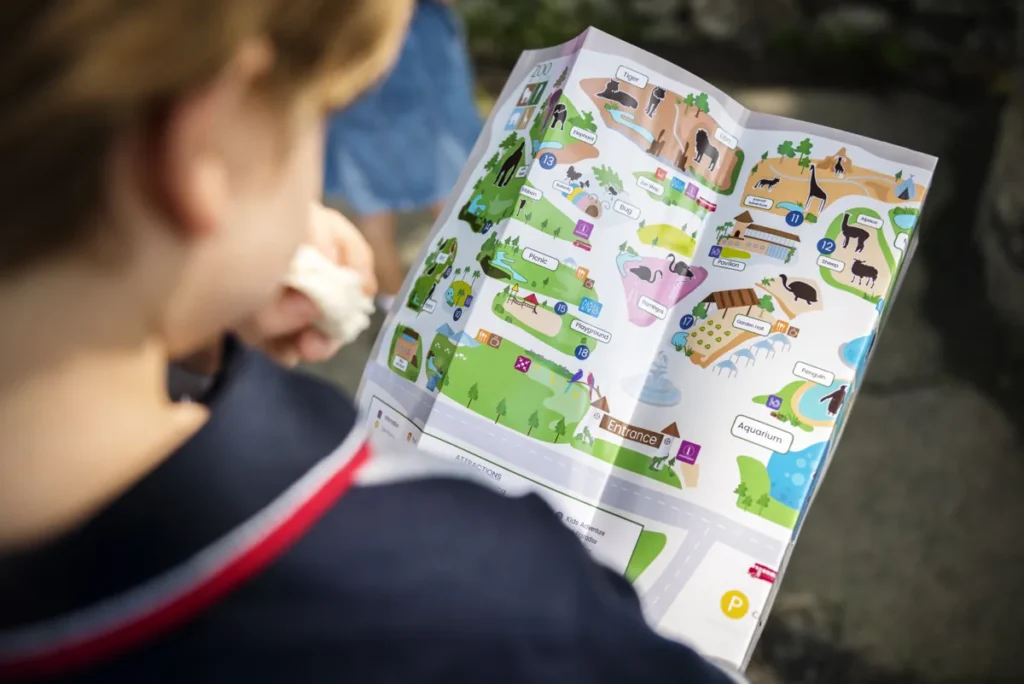
Sort the ideas into three useful lists
Keep the system simple:
- Together: experiences enough people want to share.
- Optional: choices for part of the group, if time and logistics work.
- Skip: things no one needs to do on this visit.
The skip list is useful. It stops a park’s full attraction list from becoming your group’s assignment.
Give the together list a clear place in the day. These are the moments that make the visit feel shared. They might include a meal, a show, a small ride, or time in a setting people care about.
Keep the optional list short enough that it does not take over. A plan can sound fair in conversation yet still give most of the time to the people who want the longest list of rides.
Read restrictions and comfort information
Check the actual attractions, not just broad labels such as family ride. Read height and other boarding requirements, motion descriptions, and warnings that affect your people.
Disneyland’s attraction listings and Universal’s ride information show why the exact experience matters. One venue’s rules are not a rule for all parks.
Do not assume a person’s height settles whether they will enjoy a ride. Ask about darkness, sound, screens, drops, and the way the ride moves. Let a person decline without turning it into a test.
Use official access information for individual needs. A general park comparison cannot tell you which facilities or ride arrangements will work for a particular person. Ask the venue about the detail you need.

Make split-group time fair
Splitting up can work well when it has a purpose and an end point. It works less well when one person spends the day holding bags and watching everyone else leave.
Agree on who is going where, what the waiting group will do, and how everyone will meet again. Use a clear place name and a way to get in touch. Keep necessary tickets, supplies, and booking details with the people who need them.
If a park offers a service for taking turns with a non-rider, read its current terms. Disney’s Rider Switch guidance is one example. Ask staff how the process works for your party and attraction; do not assume every park offers the same service.
Give the non-riding group a choice they actually want. A quiet pause can be a good choice, but it should be chosen rather than assigned by default.
Put food and breaks on the map
Different ages can mean different rhythms. So can different interests, access needs, and comfort levels. Build those differences into the day from the start.
Look at the official map and group nearby activities together. Find potential break points near the areas you want, then check the features you need. A show may be a useful pause, but only if its time and setting fit.
Choose a meal plan that does not ask the whole group to keep going past a useful stopping point. If you book a fixed meal, give yourself enough room around it rather than squeezing it between distant priorities.
Keep a second option for a break. The first may be busy, closed, or simply wrong for how someone feels at that moment. Flexibility is easier when you have already thought of another place to stop.
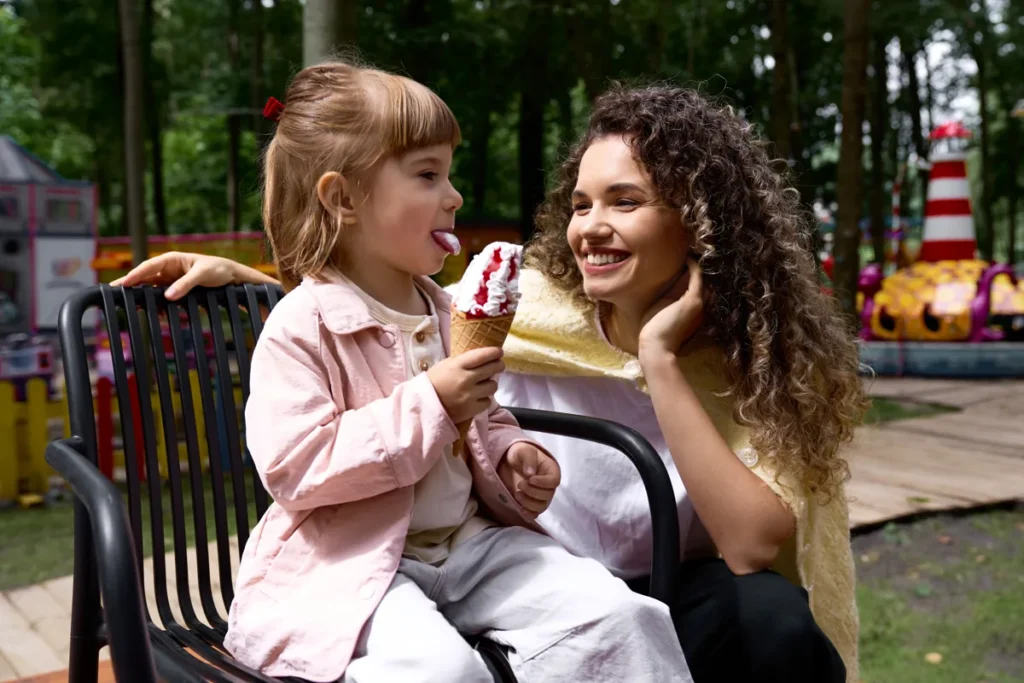
Build the day in sections
Instead of planning every minute, give the visit a few parts. Start with one shared highlight. Follow with nearby choices. Put a real pause in the middle, then decide what the next part needs.
This makes it easier to change the plan without declaring the day a failure. If someone is tired, the next section can be shorter. If the group is enjoying a setting, you can stay rather than leaving to protect an old schedule.
Keep only a few fixed commitments, such as an actual booking or a performance you strongly want to see. Confirm their current times on the official calendar.
Do not use a sample itinerary as proof that your group can complete the same number of attractions. Use it to understand the shape of a day, then adapt it to your people and the real conditions.
Agree on a finish before everyone is tired
Discuss what a satisfying day would look like. That gives the group a way to recognize success without waiting until no one has energy left.
The finish might be a shared ride, a meal, or a possible evening show confirmed for the date. It can also be the decision to leave while people still feel good about the visit.
If some people want to stay later, make the transport and supervision plan clear. Do not let the final decision depend on someone giving in because they cannot get home another way.
Be open about the priorities that did not fit. You can save them for a return trip without describing the day as incomplete. A mixed-age visit does not have to include every person’s full wish list to work.
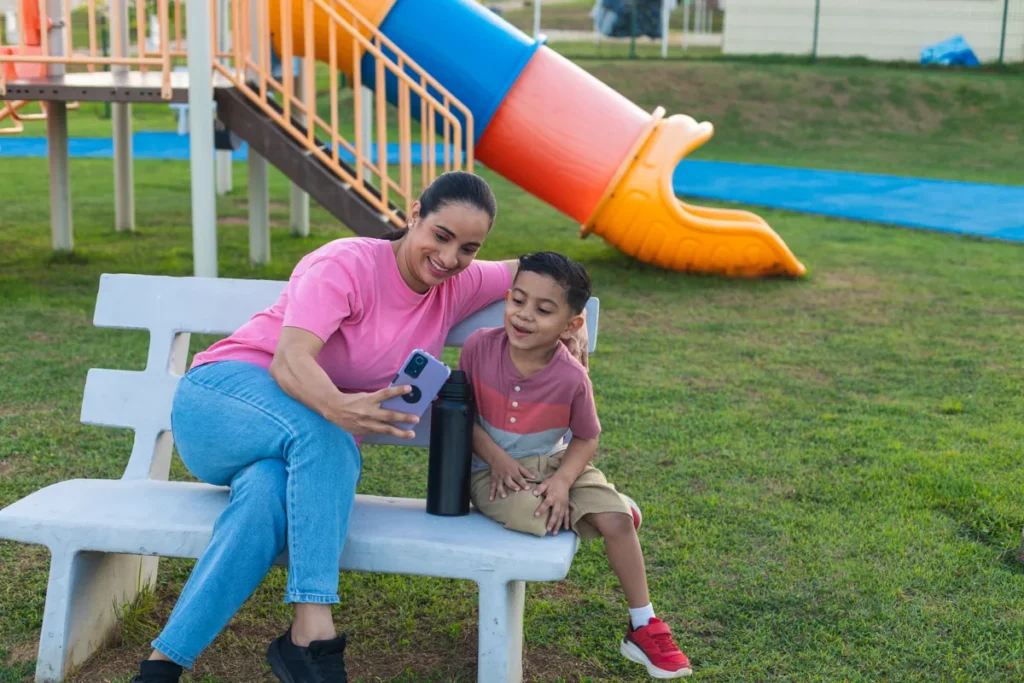
Keep the plan kind and useful
Before you go, look for three things: a shared reason to be there, a fair plan for different interests, and room to pause.
Then use THMPRK destinations and place guides to choose the setting. Confirm the requirements and practical details that matter with the operator, and keep your plan short enough to use in the park.
The best mixed-age day is not the one where everyone behaves as if they are the same age. It is the one where the differences have a place and the group still gets to enjoy being together.
0 thumbs up0 thumbs down
Was it useful? Pick a thumb.