
A themed land starts to feel real when its parts seem to belong together. Buildings, paths, sounds, signs, and small details all help tell the same story. The best way to notice that work is to look beyond the ride entrance.
You do not need a design degree to enjoy it. Ask a simpler question: what is this place inviting me to believe? A street may ask you to imagine a small town, a movie setting, or a faraway planet. The details help that idea hold together while you move through it.
Look at the setting from a visitor’s point of view. Start with the parks’ own descriptions, then give yourself a few easy things to notice on your next visit.
A clear setting gives the details somewhere to belong
Disneyland Park’s land guide describes several very different settings. Main Street, U.S.A. draws on a small-town, turn-of-the-century idea. Adventureland offers a jungle setting. Star Wars: Galaxy’s Edge places its story on Batuu.
Those settings give visitors a starting point. You can look at a shopfront or a sign and ask whether it fits that world. When the same idea appears in large shapes and small details, the place becomes easier to read.
This is a useful way to choose where to spend your time, too. Someone who loves looking at buildings may enjoy a setting for reasons that have little to do with its longest queue. A familiar story can draw another visitor toward a completely different corner.
Try naming a land’s setting in one sentence. Then look for three things that support it. They might be a roof, a window display, and the wording on a sign. That small game turns the walk between rides into part of the visit.
The entrance helps you change gears
A transition is the moment when one setting gives way to another. Notice what changes as you enter: the view ahead, the width of the path, the plants, or the sound around you. You may feel the change before you stop to name it.
An entrance can give you a wide reveal or let the next place appear a little at a time. Neither approach is always better. What matters to the visitor is whether the change helps the next setting feel distinct.
You can enjoy that effect without blocking the path. Find a place to pause where stopping is allowed and other people can pass. Look back toward the entrance, then turn toward the main view. Notice which details pull your eye in each direction.
This also explains why a photograph cannot tell you the whole story. A picture can show a landmark. It cannot fully show the movement from the place you just left to the place you are entering.
Big shapes give you a sense of place
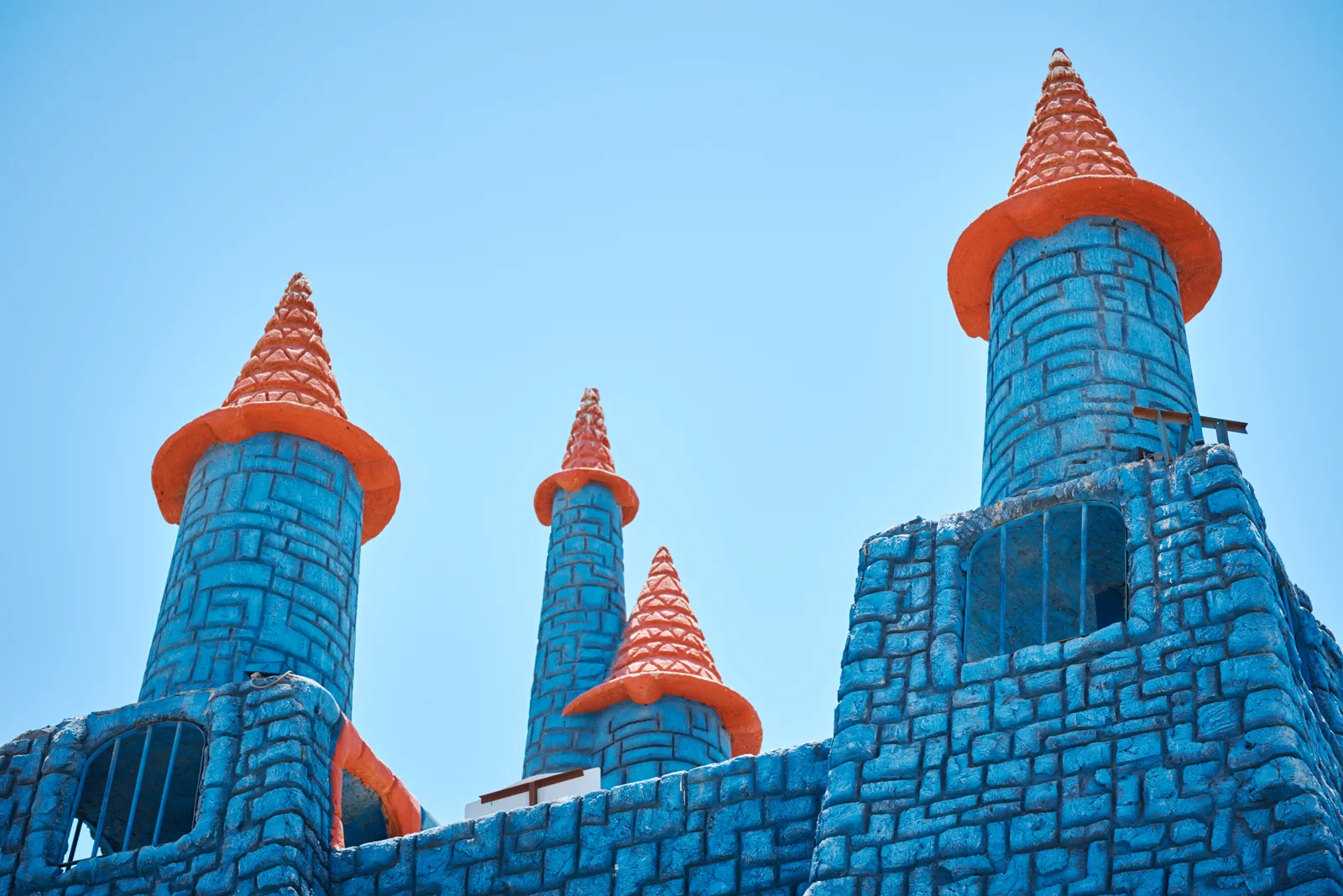
A castle, mountain, tower, or row of shops can help you understand where you are. Large shapes can also make one part of a park feel different from the next. You might read a place as playful, grand, busy, or calm before seeing a single ride sign.
Scale is part of that impression. Look at the relationship between doorways, upper floors, and the people nearby. Ask how the scene feels from where you stand, rather than trying to guess the exact size of a building.
Avoid treating a visual impression as a hidden engineering fact. You can say that a street feels tall or that a view draws your attention. A claim about the specific method used to create that effect needs a reliable design source.
For a day out, the feeling itself is enough to explore. Let different people choose the view they like best. Their answers may tell you more about the group than another vote on the next ride.
Small details reward a slower walk
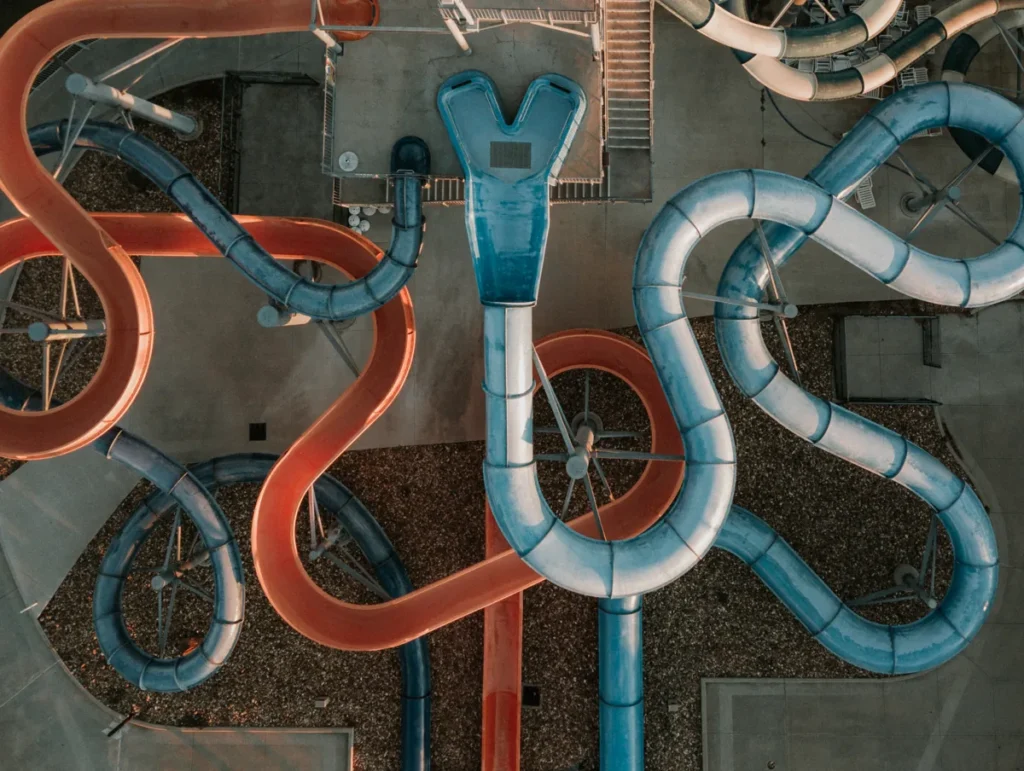
Signs, props, shop names, and worn-looking surfaces can suggest that a place has a life beyond your visit. A detail does not need to be a secret reference to be worth noticing. Sometimes it simply makes the setting more convincing.
Look for details that seem to answer ordinary questions. What might people do here? What would they eat? What would they need to buy? You are reading the visible story, not claiming that every object has a confirmed hidden meaning.
Cars Land is one example of a named setting within Disney California Adventure. Use its official overview to see how the park describes the place, then notice how a town idea can carry across attractions, food, and shops.
Leave room for personal taste. One visitor may love layers of detail; another may prefer a bold shape and a clear view. A land does not have to be your favorite to give you something interesting to notice.
Sound changes how a scene reads
Music and background sound can shape your impression of a place. Try noticing the pace and mood rather than searching for the name of every track. Does the sound invite you to hurry, pause, or expect an adventure?
Listen at the edge of a land as well as near its main view. The change can be part of how you notice that you have moved into another setting. At a busy moment, crowd noise may be the strongest sound; that is part of your actual experience, too.
Sound does not feel the same to everyone. A lively setting may be exciting for one person and tiring for another. Plan quieter breaks around your group’s needs instead of assuming that more sound always means more fun.
This is one reason to keep some unplanned time in a visit. A slower stretch lets you notice how a place feels, then decide whether you want to stay or move on.
Familiar stories can make participation feel easy
A setting based on a story you know gives you a head start. You may spot a name, recognize a shape, or understand why a shop looks a certain way. That recognition can make simply being there feel like an activity.
The official Galaxy’s Edge overview places the land within the Star Wars world. That is useful context for visitors who want to know what story they are stepping into. It does not mean every guest needs the same level of knowledge to enjoy the setting.
Let an interested person point out a few things, then leave room for everyone else to find their own favorite detail. A shared visit works better when knowledge feels like an invitation rather than a test.
If the story is new to you, start with what you can see. What kind of place does it seem to be? What looks useful, strange, or welcoming? You can enjoy the craft without learning a whole fictional history first.

Make looking around part of your next park day
Pick one land and give it a little time between fixed plans. Find a view, read a sign, listen to the setting, and notice the change at its edge. You do not need to turn the whole visit into an assignment.
For groups with different ride interests, this can be a shared highlight. Everyone can bring back one detail they liked. No ranking is required, and nobody has to ride something that does not suit them.
Start with the Disneyland Park guide or Disney California Adventure guide if those settings interest you. Choose the worlds you want to spend time in, then give yourself enough breathing room to notice them.
Explore the places in this guide
Disneyland Park
Anaheim, California, United States
THMPRK Score: 8.4/10
Explore the place guideDisney California Adventure
Anaheim, California, United States
THMPRK Score: 8.0/10
Explore the place guidePlace details come from the current THMPRK guide. Check official calendars and ticket terms for your visit.
0 thumbs up0 thumbs down
Was it useful? Pick a thumb.