

A hot park day needs a different plan from a mild one. Put breaks, water access, and time indoors into the day before you add a long ride list. Give yourself room to change course, too. An admission ticket is not a reason to push through a day that no longer feels right.
Start with the forecast for the actual park. Then match your plans to the people going with you. A family with a toddler, a group of keen coaster fans, and a visitor who needs frequent rests may need very different days.
The CDC’s heat guidance stresses staying cool, staying hydrated, and knowing when to seek help. The park-planning ideas below support those basics. For personal health questions, use your own care team’s advice.
Look beyond the daily high
A single temperature does not describe the whole visit. Think about when you will be outside, how long your walk from parking may be, and whether the activities you want have sheltered waiting areas.
Read the local forecast again before leaving, rather than keeping the one you saw when you booked. If there is an official heat alert, use that guidance when deciding whether to change your plans. Conditions can be different from one destination to another.
Do not choose a water park as a heat escape without thinking through the rest of the day. You may still spend time in outdoor lines, walking between slides, or waiting for someone else. Water activities do not remove the need for a sensible heat plan.
Use our parks and attractions directory to compare the kind of visit you want. Look at indoor options and practical facilities alongside the rides, then confirm important details with the venue.
Find your pause points before arrival
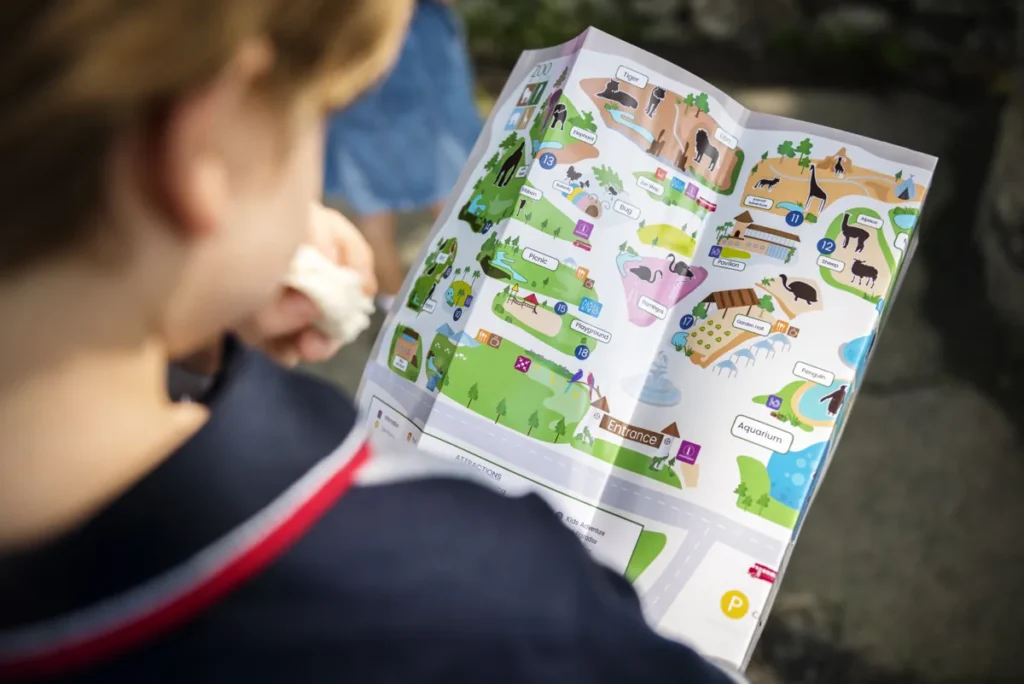
Open the official park map. Choose a few places where a break would fit your route. They might include an indoor attraction, a meal indoors, or another suitable space the park identifies.
Do not assume that a shaded spot has seats, that an indoor queue is air-conditioned, or that a show lets you enter at any time. Check what the place actually offers. A timed show can be useful, but you need to be there for the performance.
Pick more than one option. Your first choice may be busy, closed, or farther away than it looked. Having a second pause point nearby makes the plan easier to use.
Avoid making every rest depend on a purchase. If you plan to use a restaurant, understand its booking and seating rules. If you need a specific facility, ask the park where to find it rather than guessing from a photo.
A break works better when the rest of the day has room for it. Try our ways to enjoy a park without the biggest rides for a less ride-heavy shortlist, or compare indoor day-out ideas when choosing a different outing.
Make water easy to reach
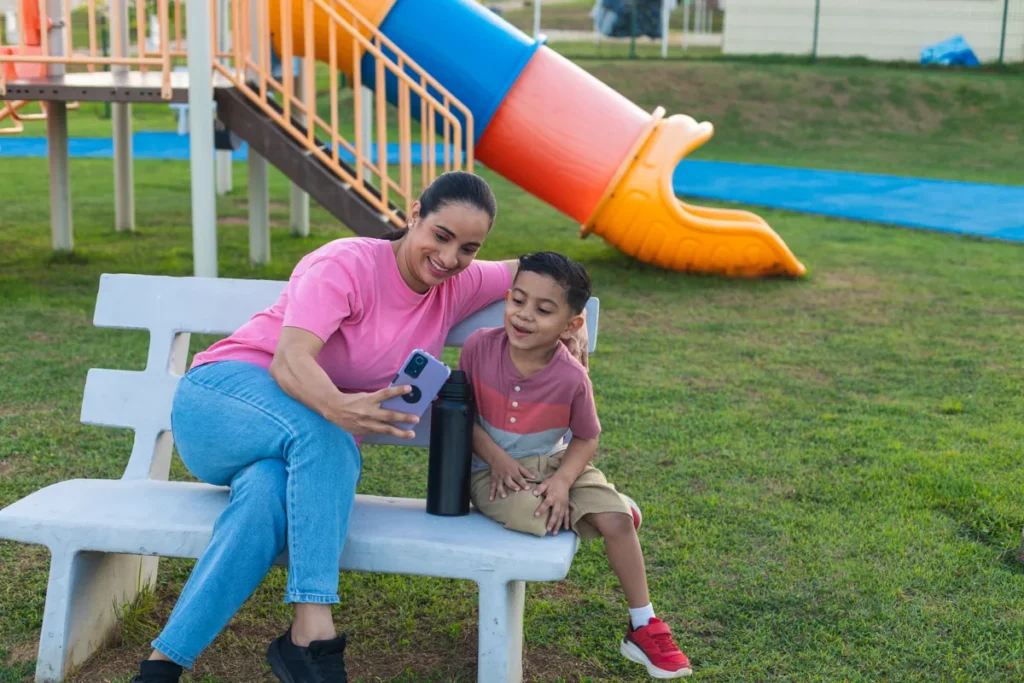
Check the park’s rules for bringing a bottle, along with its map of drinking-water locations. Put those stops on your route. The useful goal is to make access easy, not to turn the visit into a search for the nearest fountain.
For example, Disneyland publishes a drinking-fountain map covering its resort. Use the current map to see which stops fit your day. Other parks may provide information in their app, accessibility guide, or guest-services pages.
Do not rely on one old tip about a particular food counter. Policies, service areas, and opening times can change. A park’s own current information is a better starting point.
If you have personal fluid limits or other medical needs, follow your clinician’s plan. A general travel article cannot set the right amount for every visitor.

Keep the bag useful and manageable
Pack for the day you are taking, not every possible problem. A heavy bag can make moving around less pleasant, especially when the park has lots of walking.
Check the venue’s bag rules before choosing what to bring. Read restrictions on containers, loose items, and anything that may need a locker. Keep essential items easy to reach so you do not have to unpack the whole bag at every stop.
Think through what happens on rides. If you leave a bag with a non-rider, make sure the person has agreed and still has a useful way to enjoy the wait. If you plan to rent a locker, check its location and terms before treating it as a simple fix.
The Disneyland Resort rules show why checking the actual venue matters. One park’s permitted items are not a policy for all parks.
Put the longest walks in the right part of your plan
Look at your priorities on a map. If they sit on opposite sides of the park, group nearby choices together instead of crossing back and forth each time a wait changes.
The CDC suggests outdoor activities during cooler parts of the day when possible. That does not mean any park morning or evening will be cool. Use the forecast and actual opening hours to decide what makes sense.
A simple plan might start with one outdoor priority, follow with nearby activities, and leave room for an indoor break later. Another group may prefer a shorter visit with fewer goals. Neither plan needs to promise a certain number of rides.
Leave extra time for arrival and departure. The walk to the exit, transport stop, or car is still part of the day. Saving a little energy for that final stretch can change how the whole visit feels.
Make the plan easy to change
Choose a few things you would like to do, then mark which can be dropped. It is much easier to make a calm decision when you already know what is optional.
Agree on a check-in point with your group. Ask how people are doing before adding another long line. Young children may not explain their needs in the same way an adult does, so build regular pauses into the plan rather than waiting for a complaint.
If the group splits, each part still needs its own access to water, a way to contact the others, and a clear meeting place. Do not send one person away with every useful item or all the booking details.
Be willing to leave earlier than planned. A shorter day that suits the conditions may be the better use of your ticket. Check change and cancellation terms before the visit, so you know which choices you really have.
Know where to ask for help
Find First Aid and guest-services locations on the park’s official map. You do not need to wait until there is a problem to know where they are.
If someone feels unwell, stop the activity and seek help. Follow staff instructions and use emergency services for an emergency. Do not treat another ride, a cold snack, or a longer rest in line as a substitute for help.
The CDC explains heat symptoms and when to seek care. Read that guidance before a hot-weather trip, especially if anyone has concerns about heat and their health. Avoid relying on a group member to diagnose what is happening.
Build a shorter list for a better day
Before you leave, your plan should answer five questions:
- Where can we take a suitable break?
- Where can we get drinking water?
- Which activities are our real priorities?
- What will we drop if the conditions change?
- Where will we ask for help if needed?
That is a more useful starting point than a packed schedule with no gaps. The aim is to enjoy the park, not to prove you can finish the list.
Use THMPRK destinations to start with the area you want, then open the place guides for a closer look. For a hot day, comfort and flexibility deserve a place beside the headline attractions.
For a family group, use the mixed-age planning guide to give everyone a say in the pace. Our rainy-day park planner covers a different weather problem with the same habit: check the actual visit before committing.
0 thumbs up0 thumbs down
Was it useful? Pick a thumb.