

A tall slide can catch your eye. It cannot tell you whether the whole water park fits your group.
Before you book, compare the day beyond that one ride. Look at what everyone can use, how the park handles practical needs, and what your ticket includes. A place with fewer huge slides may offer more of the day your family wants. A ride-focused group may make the opposite choice for sound reasons.
Start with our water-park directory. Save a few real options, then work through these seven checks. You do not need a score for every detail. You need to find the differences that could change your decision.
1. Compare the mix of experiences
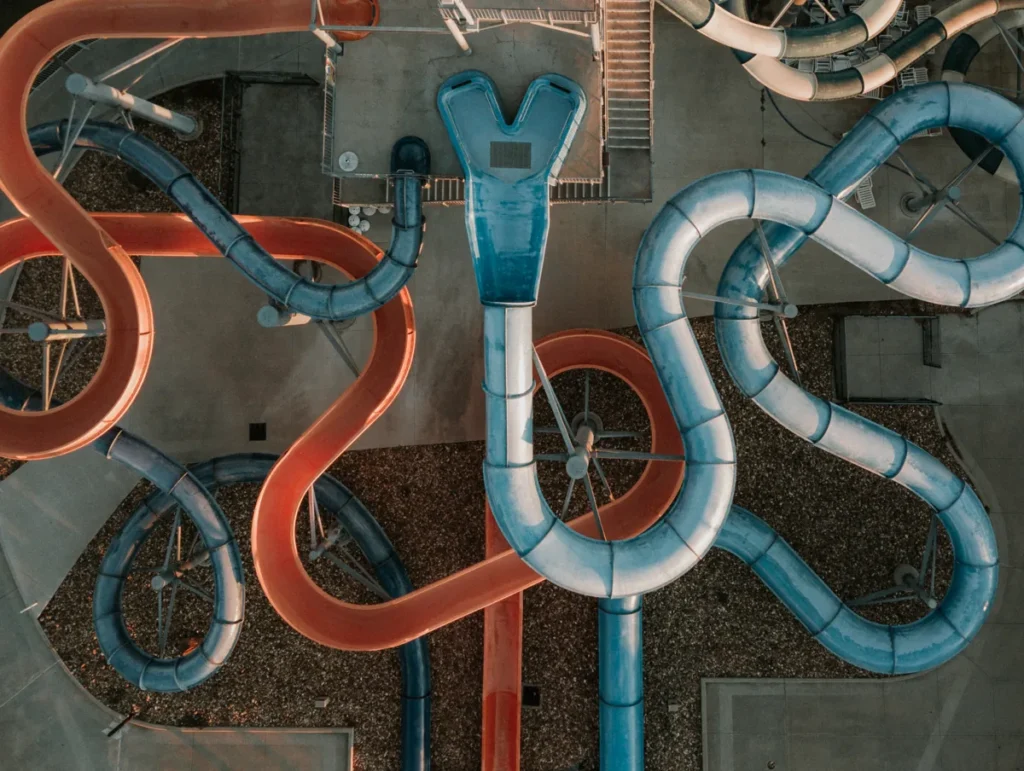
Look past the total attraction count. A park with several body slides can feel different from one built around raft rides, pools, and shared play spaces.
Make a short list of what your group wants. That might be big slides, a wave pool, a river experience, or places for younger children. Then see how much of each park matches the list.
Read the attraction descriptions rather than guessing from a photo. Two river rides may involve different movement and rules. A colorful play area may have limits that matter to the people using it. A family raft ride may still have boarding requirements that prevent the whole group riding together.
For an example of how to check a specific park, use the official Volcano Bay attraction information. Treat it as information about Volcano Bay, not a description of all water parks.
Choose the mix you will actually use. Ten extra slides add little value if your group has no wish to ride them.
2. Read the requirements for your actual group
Height rules, supervision rules, and other restrictions can shape the visit. Find them before showing a child a ride they may not be able to use.
Read the information for each important attraction. Do not stop at a general age guide. Follow weight limits, required riding positions, and access instructions where the park provides them. Ask the venue about anything unclear rather than filling the gap with a guess.
If people in your group need specific access information, use the park’s official guide. A step-free entrance does not tell you whether a person can reach or use every water attraction. The Universal rider safety and access resources show why the exact attraction and individual need both matter.
Think through the non-riders too. If one adult will supervise a child while others use slides, make sure that adult also has a workable plan. A day can include taking turns, but it should not leave one person holding every bag for hours.
The same people-first approach appears in our mixed-age day planner. Pair it with the park heat-planning guide when considering breaks and the journey around the water activities.
3. Check places to sit and take a break
Water activities are only part of the visit. Your group will also spend time drying off, eating, walking, and waiting for others.
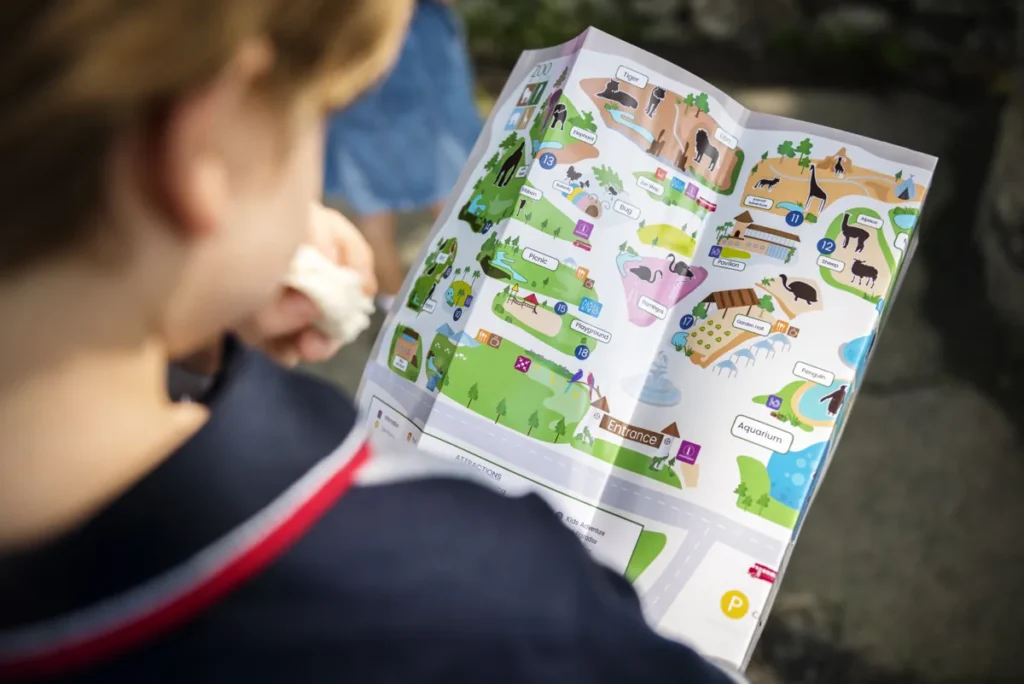
Look at the park map and seating information. Are there places to pause near the areas you expect to use? Does the park describe shaded seating? Are reservable spaces an extra cost, and what do they include?
Do not assume that a lounge chair is reserved because you put a towel on it, or that a paid cabana solves every need. Read the terms and ask how the system works. A booking can also have its own cancellation rules.
Think about your group’s pace. People who want long breaks may value a comfortable base more than another large slide. A group that keeps moving may care more about where it can store things between activities.
If you are planning around hot weather, make sure the whole day works outdoors. Time in water does not remove the need for breaks and sensible heat planning.
4. Understand lockers changing areas and bags
A practical locker location can matter more than a small difference in ticket price. Find out where lockers are, how you rent them, and whether they can hold what your group needs.
Separate the items you want to reach often from those you can put away. If every small stop requires a long walk back to one locker, the route may start to shape the day more than the attractions do.
Read clothing, footwear, and loose-item rules before packing. These can differ by park and by attraction. Do not assume an item is allowed because you used it on a previous trip somewhere else.
Check the changing and shower arrangements that matter to your group. If you need a family changing space or a particular access facility, ask about that exact feature. A general facilities icon may not answer the question.
For a specific example, Universal lists park services and locker information. Use each operator’s current page when comparing the places on your own list.
5. Compare the whole cost
Put the base admission price in one column. Put the extras your group would actually use in another.
Those extras may include parking, lockers, food, or a reserved rest space. Some may be optional; others may be important to the visit you want. Compare the same sort of day at each park rather than one basic ticket against another park’s upgraded package.
Look at food and drink policies before assuming you can bring your own supplies. Check whether the quoted ticket applies to your date, whether taxes or fees are added, and whether a wider resort ticket includes the water park you intend to visit.
A season pass can be worth comparing if you expect to return. Use a realistic number of visits and read exclusions. Do not buy on the strength of a best-case plan that your family is unlikely to use.
You do not need the cheapest day at any cost. You need to know what you are paying for and whether the differences matter to your group.
6. Check the calendar and weather terms
For late-2026 planning, Universal’s official Volcano Bay notice says the park is temporarily closed for maintenance, with a planned reopening on or before April 1, 2027. That date is subject to change. Follow the official park-hours link for updates before booking.
An outdoor water park may run a seasonal schedule. An indoor park may still have date-specific hours or closed attractions. Read the exact operating calendar rather than assuming the same timetable all year.
If the water park is part of a larger resort, check it separately. The theme park being open does not prove that the water park is operating on the same day.
Read the weather and ticket-change policies before paying. Find out what the operator says about interruptions and which conditions apply to your product. A general promise from a third-party seller may not match the park’s own terms.
Check again close to your trip. You do not need to rebuild the plan every day, but a final calendar check can catch a change that an old booking email will not show.
Keep a realistic alternative. It might be changing the day, using another attraction, or taking a shorter trip. That choice depends on your actual ticket terms, not an assumption that a refund will be available.
Our water park season-ending checklist explains why an open theme park does not mean its water park is open. For a different backup, explore these indoor attraction ideas.
7. Look at the journey as part of the day
Compare travel, parking, and the route to the entrance. A park that looks nearby on a regional map can still involve a journey that changes how much time you have.
Use verified directions for your start point. If you plan to use resort transport, check which guests may use it and where it goes. Do not assume that staying somewhere in the same destination includes every shuttle or parking benefit.
Then look at your finish. Where will you change? How long will it take to get back to your car or hotel? Will people be comfortable with that trip after a full day in the water?
This is also the place to be honest about a second attraction. A water park plus another major park can sound exciting on paper. It may leave less time for either than you want. Add a second stop only when the route, tickets, and group’s energy make it practical.
Turn the checks into a shortlist
For each candidate, write a sentence about its strongest fit and its main limit. For example: “This one has the shared attractions we want, but we need to budget for lockers and check the early-season calendar.”
That is more useful than declaring a park best because it has the largest number of slides. It also makes a family decision easier to discuss. People can see the trade-off rather than defending a favorite photo.
Use THMPRK’s place search to build the shortlist, and open each guide for the location, official links, and available assessment. Save the places you would genuinely consider, then do the final policy checks with the operator.
The right water park is the one with enough of the experience you want and a practical day around it. Start there, and the headline slide can be a bonus rather than the whole plan.
0 thumbs up0 thumbs down
Was it useful? Pick a thumb.