

An indoor day can have a very different rhythm from a theme park visit. You might follow a child’s questions through a science exhibit, watch sea life for a while, or choose a film that gives everyone a shared hour. Start with the kind of experience you want, then find a venue that offers it.
Indoor does not mean every part of the trip is covered. Parking, gardens, outdoor exhibits, and walks between buildings may still shape the day. Check the actual venue map, calendar, and entry rules before choosing it as a weather backup.
Here are seven formats to put on your shortlist, with practical ways to decide who each one might suit.
1. Aquariums for a day of close looking
An aquarium can suit a group that likes to pause and watch. Instead of moving from one ride to the next, you can choose a few habitats or animals that interest you and give them time. Children may want to return to one favorite display rather than see every exhibit.
The Aquarium of the Pacific exhibit guide is a useful example of checking the actual collection before planning a visit. Look at what is indoors, what is outdoors, and which experiences have separate arrangements. Do not assume the whole venue follows one format.
Read the ticket and booking details for your date. An aquarium can require advance steps even when you think of it as a flexible alternative. Check any presentations or extra experiences separately if they are the main reason you want to go.
Choose this format when your group enjoys watching, noticing, and asking questions. Give everyone a chance to name one animal or habitat they hope to see, then let those answers shape a small route.

2. Hands-on science centers for curious doers
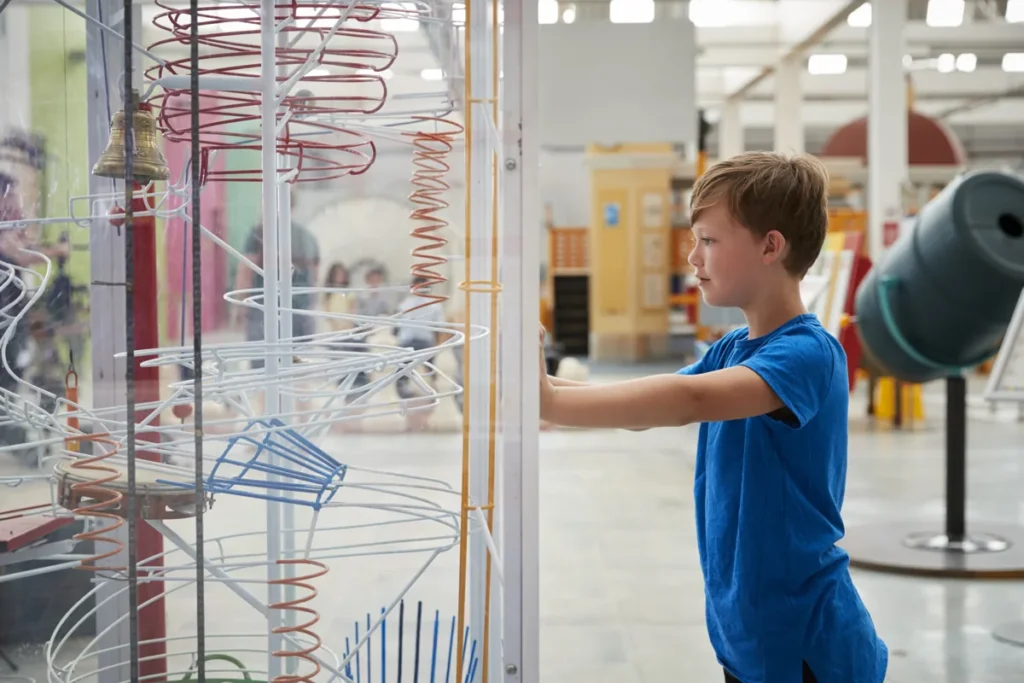
A hands-on science center can be a strong choice for people who learn by trying something. The useful question is what visitors can actually do. Look for current exhibit descriptions rather than relying on the word “interactive” in a general review.
The California Science Center describes hands-on science experiences and lists its current galleries and exhibitions. Use that kind of official overview to find a few subjects that interest your group. Check individual access and ticket details before promising a particular experience.
Leave room to stay with an activity that clicks. A child who wants to try the same experiment again may be getting more from that moment than from a fast tour of the whole building. Adults can join in without turning every stop into a lesson.
Choose this format when the group likes questions such as “What happens if…?” Build the day around a few things to try, with a clear meeting point and a break when you need one.
For a family group, our mixed-age day planner helps you choose shared interests before filling the day. The same approach works when the outing centers on exhibits rather than rides.
3. Natural history museums for big stories and small finds
Dinosaurs may draw you through the entrance, but they do not have to be the whole visit. Natural history museums can offer several different subjects within one outing. Check which galleries are actually available and which ones fit your group’s interests.
The Natural History Museum of Los Angeles County highlights subjects including dinosaurs, gems and minerals, birds, and oceans. Its official pages help you choose a focus before arrival. They also help you separate indoor halls from outdoor spaces such as gardens.
Try giving each person one choice for the route. One visitor might choose large fossils; another might prefer colorful minerals. A few shared stops can connect those interests without requiring everyone to read every label.
Choose this format when your group likes objects with stories behind them. A short, focused visit can work better than trying to finish a whole collection in one day.

6. Large-format films for a focused outing
A large-screen film can work as the main event of a shorter day or as one part of a museum visit. Choose the film by its content and format, then check whether it needs a separate ticket. A general admission purchase may not include the screening you want.
The California Science Center’s IMAX information is an example of checking the current program directly. Read the details for the particular film and date, including any available access information. Keep the rest of the trip simple enough to reach the screening comfortably.
Think about the viewing experience as well as the topic. Large images, sound, and a dark theater can feel different to different people. Ask what the group enjoys before using a film as the automatic rest break.
Choose this format when one shared story would give the day a satisfying center. Add another activity only if the extra time and admission make sense for your people.

7. Indoor story attractions within a larger park
An indoor ride or show can offer a change of pace during a theme park day. It is a different choice from visiting a fully indoor venue: you still need to reach the attraction, move around the park, and hold the right admission.
Use the Disneyland attraction directory as one example of reading individual experience details. Look at movement, darkness, sound, and eligibility rather than treating every indoor attraction as gentle or quiet. The right choice depends on the person who will experience it.
Group nearby options together if indoor time is important to your plan. Keep outdoor walks, queues, and current park notices in the picture. One indoor attraction does not turn a whole park visit into a weather-proof outing.
Explore the Disneyland Park guide if that is already part of your trip, or use Explore places to start a different shortlist. Pick the kind of day you want first. Then check the venue that can actually deliver it.
Explore the places in this guide
Disneyland Park
Anaheim, California, United States
THMPRK Score: 8.4/10
Explore the place guidePlace details come from the current THMPRK guide. Check official calendars and ticket terms for your visit.
Compare these choices with our ideas beyond a park’s biggest rides. If rain prompted the search, work through the rainy-day decision checklist before replacing an existing booking.
0 thumbs up0 thumbs down
Was it useful? Pick a thumb.