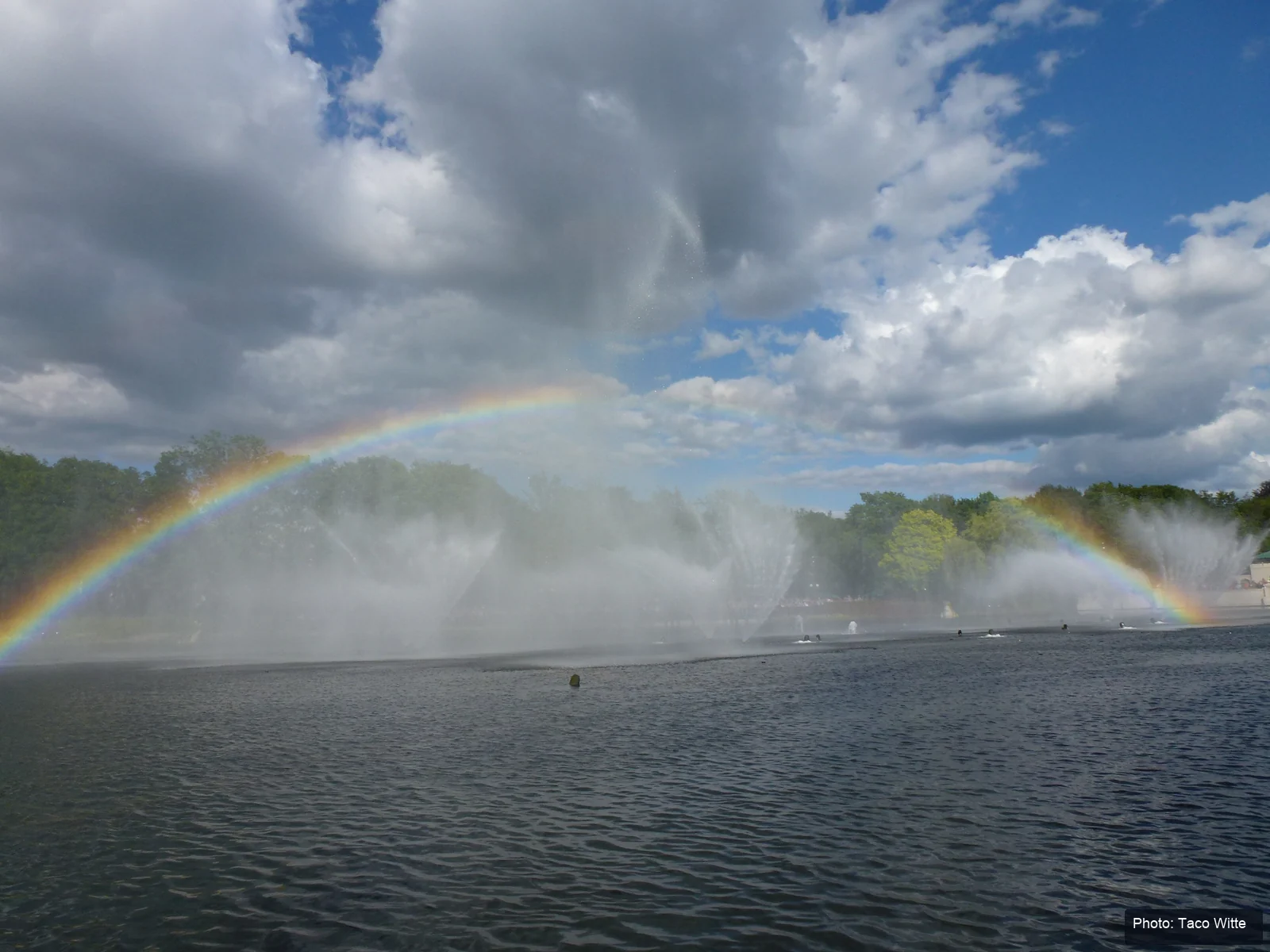
Park music gives a place a voice before a character speaks. A tune can introduce a world, carry a story between rooms, or turn a show into the reason to stop walking. Sometimes the music is the attraction. Sometimes it quietly helps everything around it make sense.
Listen to the setting without assuming everyone hears it the same way. A favorite tune can draw someone closer while another visitor needs a pause from the sound. How the music is made and used offers another way to read the place, beyond the names on a ride list.
Three examples show different jobs for sound: a new version of an old composition at Efteling, live performance at Dollywood, and a music-led coaster at Disney’s Hollywood Studios. The creative records and current attraction listings tell us what the parks built. How those choices shape your day remains personal.
A score can hold an attraction together
At Efteling, Danse Macabre takes its name and musical foundation from Camille Saint-Saëns’ composition. The park’s Danse Macabre launch account credits composer René Merkelbach with a new version for the attraction and its surrounding Huyverwoud area. It describes a recording made with 75 musicians.
That is more than a familiar melody placed under a ride. The same musical idea belongs to both an experience and the place around it. From a visitor’s point of view, it offers a thread to follow: the attraction has a musical identity that does not have to begin at the loading platform.
The ride itself joins movement and show. Efteling describes a large turntable with six smaller turntables and seating for 108 people. The platform can rise, tilt, and fall. Music is part of that moving performance, rather than a separate concert you watch from a still seat.
You do not need to know the score to understand the invitation. You can enter a strange setting, hear a clear musical character, and experience the story through sound and motion. Learning the composition’s name afterward adds another way into the attraction. It does not turn the ride into a music exam.
The lesson for a park visit is simple: an attraction’s sound may deserve the same attention as its ride system. Our guide to what makes a themed land feel like another world looks at how several design choices can work together.
Familiar music can carry a place’s past
Danse Macabre also has a link to an earlier Efteling attraction. In the park’s account of music and heritage from Spookslot, Merkelbach discusses adapting the score, while heritage specialist Ronald Donkers describes preserving selected objects from the former haunted attraction.
Published before Danse Macabre opened, that account explains creative plans and decisions. The later launch account helps separate those plans from the finished attraction. Together they show a useful kind of continuity: a park can change a ride and still carry some of its musical memory forward.
For a returning visitor, a recognized phrase might matter because of an earlier trip. For someone arriving for the first time, it can simply belong to the new story. Neither response needs to cancel the other. A reference can reward memory while the attraction still works without that memory.
Be careful with the difference between a real creative history and a fictional one. Danse Macabre has a story about a vanished conductor and orchestra. That is part of the attraction’s invented world. The credited composer, recording, and link to Spookslot are part of its documented production history.
If you enjoy this side of parks, try choosing one detail to research rather than reading every plot point before riding. A little context can add interest without giving away each scene. Our park landmark research guide explains how to follow that trail.
The space between attractions matters too
A park map tends to label destinations: a coaster, a restaurant, a theater. Music can give the paths between those destinations an identity of their own. The Efteling account is a concrete example because it names music for the surrounding area as well as the ride.
Think about the difference between sound tied to a scene and sound spread across a place. A scene can have a clear beginning and end. Area music must sit alongside walking, conversation, food orders, and the sound of rides. Visitors hear it in fragments rather than from the first note to the last.
That difference changes how to listen. You might notice an instrument, a repeating tune, or the point where one sound gives way to another. Those are observations you can make on your own visit. They do not require a claim that every transition was designed to cause a particular emotion.
Nor should an attractive soundtrack become a promise of calm. Speakers, crowds, ride noise, and live shows can overlap. A softly described setting may still be difficult for someone with sound sensitivities. Check current access information and ask staff about suitable places to pause.
The most useful planning question is not “Does this park have good music?” It is “How much of our day do we want to spend around shows, sound, and atmosphere?” That answer helps when balancing park shows and rides.
Live musicians make time part of the experience
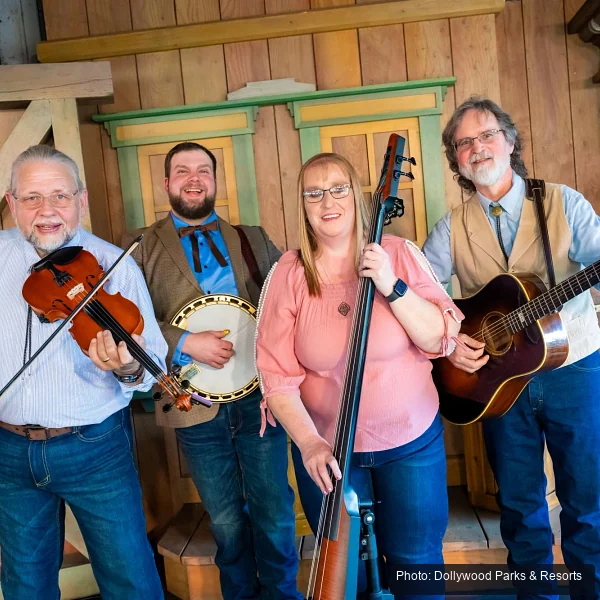
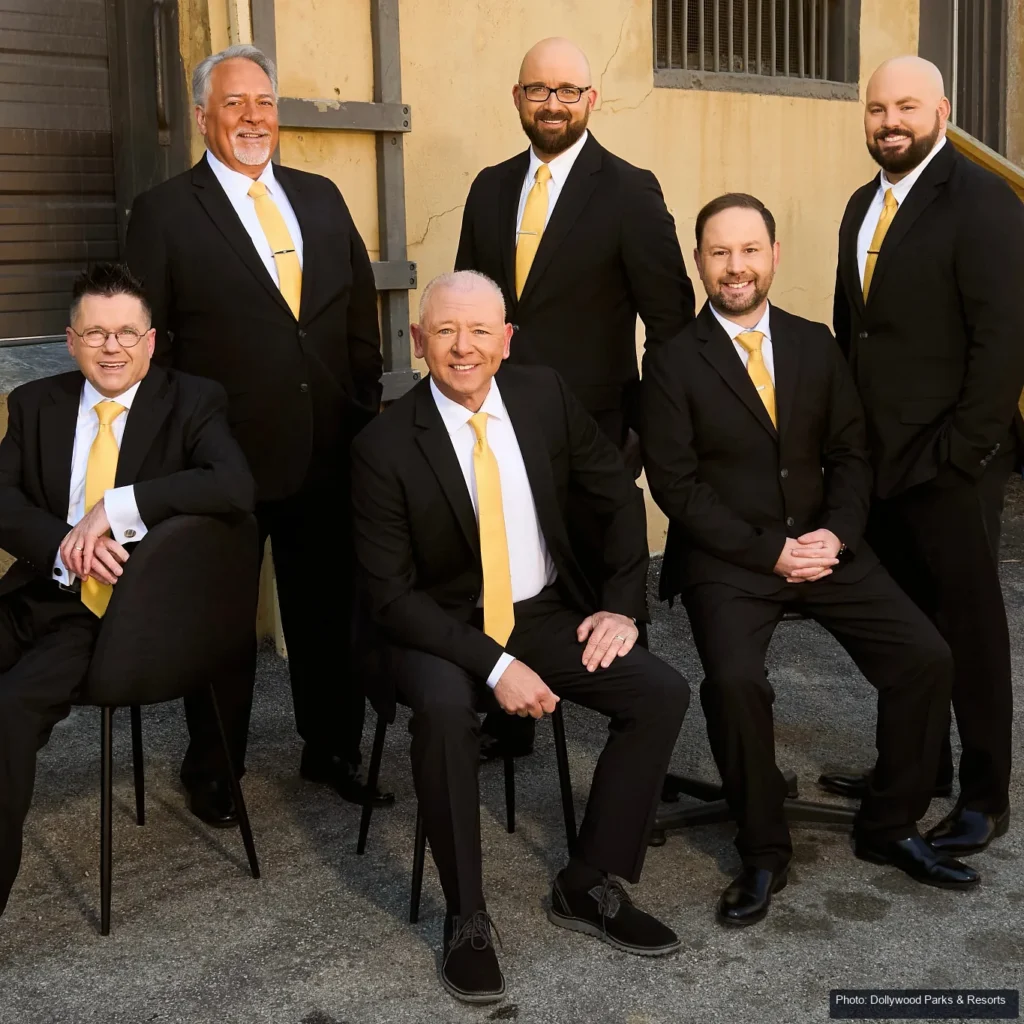
Dollywood offers another model. Its current entertainment directory lists the Smoky Mountain String Band and The Kingdom Heirs, alongside other music-led experiences. The directory describes mountain music and Southern gospel as distinct parts of its entertainment mix.
Here, music is not only a recorded layer around another activity. Performers are the focus. You need to be in the right place at the right time to hear a particular set, and the show may become the main event for someone who has little interest in the largest rides.
A performance gives the day a fixed cue. A flexible ride choice may move along the route, but a show has a scheduled start. Lunch nearby, time to reach the venue, or a shorter activity beforehand can help the day gather around that moment. Music shapes the route as well as the scene.
A current directory is a starting point, not a guarantee for every visit date. Artists, venues, seasonal programs, and performance times can change. Check the day’s schedule before building an outing around one act. Do not assume that a festival listing from one season describes the next.
For a mixed group, ask who wants to stay for a full set and who would rather meet afterward. Make the meeting point and time clear. Music can offer a shared highlight, but nobody needs to pretend the same style or volume suits everyone.
Regional music can give a park a specific identity
The names and descriptions in Dollywood’s directory connect its entertainment to particular musical traditions. That is more specific than calling a place “full of atmosphere.” It gives a visitor something concrete to seek out: a band, a genre, or a live performance.
Still, a theme park program cannot stand in for an entire region’s culture. A selection of shows reflects choices made by the venue. It is useful to enjoy those performances on their own terms without treating them as a complete picture of Appalachian music or local life.
Listen for what interests you. Maybe it is the instruments, a harmony, or how a familiar song changes with a different arrangement. You do not have to leave with a technical answer. Noticing one thing can turn background entertainment into a memory with a clear shape.
This is also a reason to leave space in a schedule. If every gap is filled with another ride target, a live act becomes something you pass while checking a phone. Choosing fewer priorities can give a show room to be the experience you came for.
Our guide to finding more beyond roller coasters can help you compare that broader mix before buying admission.
A coaster can put music at the center of its story
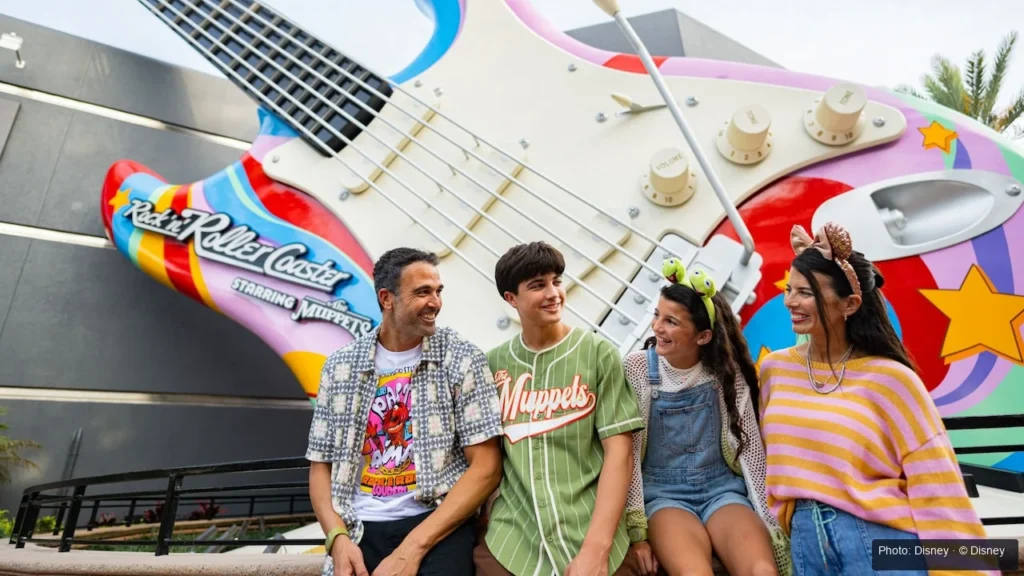
The current Hollywood Studios attraction listing includes Rock ’n’ Roller Coaster Starring The Muppets, with the Electric Mayhem at the heart of its musical identity. It is a different use of sound from a band on a stage or a score that connects a themed area.
A coaster gives the experience a fixed route and a moving frame. The music belongs to a ride you pass through, rather than an act you can watch for a few minutes and leave. The attraction’s characters and premise help explain why music is there at all.
For planning, keep the musical appeal separate from the physical ride. Loving a band or character does not tell you whether a coaster’s movement will suit you. Check the current official attraction information for restrictions and experience details, then make a choice based on both interests and comfort.
The same distinction matters when a ride changes its theme. A familiar name or an old photograph may refer to a previous version. Use the current listing when deciding what you will see. Historical material can be interesting, but it should be clearly identified as history.
If the group is divided, our guide to different ride comfort levels helps make room for both riders and people who choose another activity.
Listen without turning the visit into homework
You can explore park music with one small experiment. Pick a place where you are already stopping and pay attention to what you hear. Is there a repeating tune? Does the sound seem tied to a scene, a performance, or the wider setting? What else competes with it?
Then ask what would change if that sound were missing. A palace scene might lose part of its sense of occasion. A stage without performers would become a different space. A musical coaster would lose one of the things that explains its premise. These are ways to think about design, not rules for the response you should have.
Keep listening considerate. Stop clear of walkways. Follow recording rules, and do not play your own audio aloud over the experience. Buying a ticket does not give you permission to reuse a park’s music in a video or other project.
You can also choose not to listen closely. Conversation, a meal, or a quiet break may be what your group needs most. An enjoyable park day does not depend on spotting every reference. The point is to notice options that suit you, not add another list of things to finish.
Give music a place in your next park choice
When comparing parks, look beyond the number of rides. Read the entertainment directory, notice music-led attractions, and check whether performances run on the date you can visit. Decide if music is a main reason to go or a welcome part of a broader day.
Use Saved places to keep likely choices together. If walking between performances matters, read the map and our guide to park layouts. If you want a shorter visit, confirm that the show you care about fits inside it.
A good soundtrack cannot answer every practical question. Tickets, access, travel, and operating hours still need attention. But music can answer a different question: what kind of experience would you like to spend time in?
Start with one ride score, one live act, or one place where the sound makes you curious. Leave enough room to enjoy it. Sometimes your next favorite park detail will be something you hear before you know where to look.
Explore the places in this guide
Efteling
Kaatsheuvel, North Brabant, Netherlands
THMPRK Score: 8.6/10
Explore the place guideDollywood
Pigeon Forge, Tennessee, United States
THMPRK Score: 8.2/10
Explore the place guideDisney’s Hollywood Studios
Lake Buena Vista, Florida, United States
THMPRK Score: 7.5/10
Explore the place guidePlace details come from the current THMPRK guide. Check official calendars and ticket terms for your visit.
0 thumbs up0 thumbs down
Was it useful? Pick a thumb.
Guides & stories
Keep the good ideas coming.
A few next reads to help with the choices ahead.
For the places you’re exploring
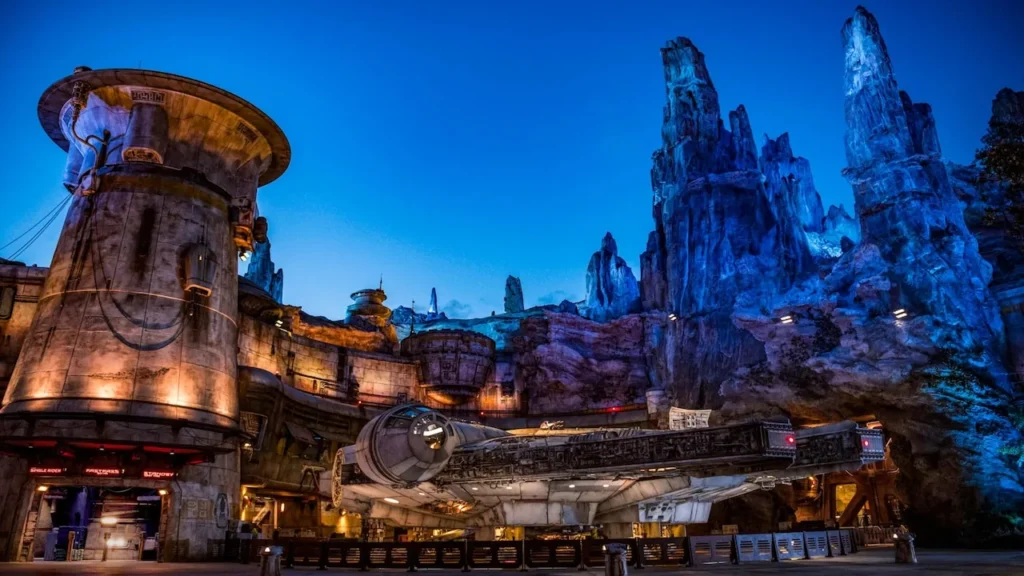
One day at Hollywood Studios: a flexible plan with room to change
A cartoon ride, a Toy Story choice and a live show give this day its shape. Build around a few shared priorities, with practical meals, separate rest and room to change direction.
Read day plan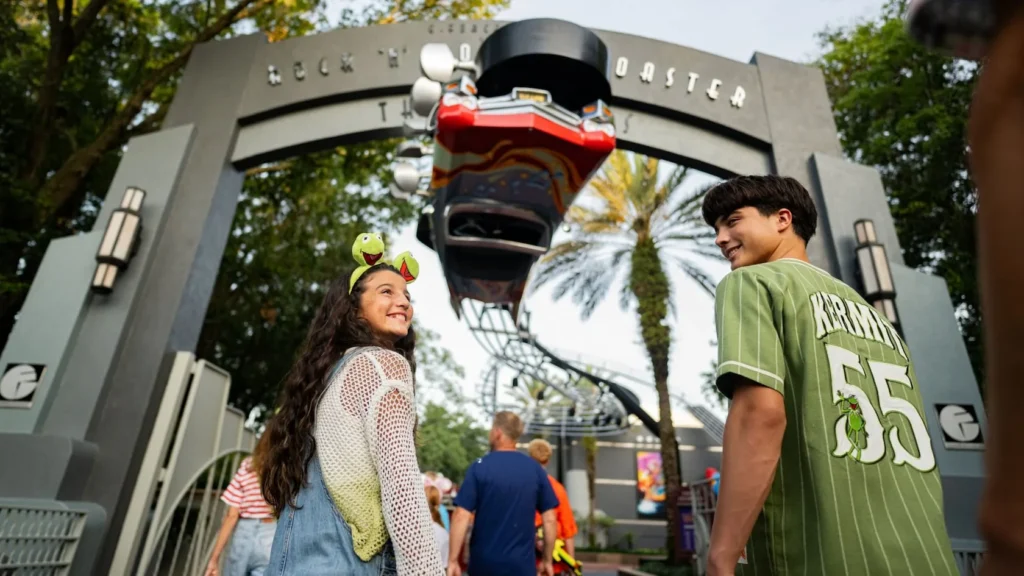
For the places you’re exploring
Hollywood Studios for ride fans: choose your thrills and keep room for breaks
Cockpit missions, outdoor coaster hills and sudden hotel drops ask different things of a rider. Compare the formats, group your priorities by area and leave room for food, rest and a change of plan.
Read day plan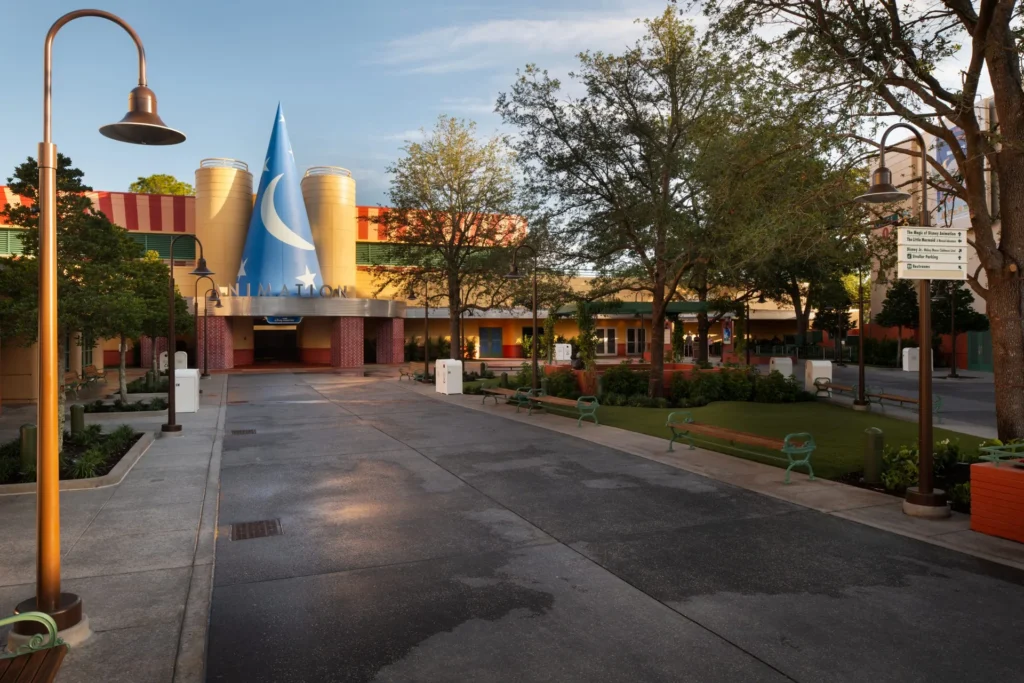
For the places you’re exploring
A slower Hollywood Studios day: animation, shows and time to linger
Make animation, a character setting and a meal part of the main event. This flexible route explores the new Walt Disney Studios area, with a separate pause and a show-led afternoon.
Read day plan