
Build a short Disneyland Resort break around the park time your journey actually leaves available. Choose the experiences your group wants, give each usable day a clear purpose, and protect meals, breaks, and the return. A small plan can feel complete without trying to cover the whole resort.
The resort's parks, Disneyland Park and Disney California Adventure Park, offer different mixes. Choose between them using the time your journey leaves available. One focused park day can be a complete short break; two usable days can give each park a straightforward day of its own.
Use the frameworks below as structures to fill with current official information and your own priorities. They are not exact ride schedules or promises about queues. The best version is the one the actual people, dates, budget, and journey can support.
Count usable time before counting park days
Write the real arrival and departure times, including transport, luggage, accommodation steps, and the route to the gate. A hotel night does not establish a full park day beside it. A late arrival or early return may leave only a short session or no useful park time at all.
Keep confirmed usable time separate from possible time. You might choose an arrival-evening visit when the admission, hours, and group preferences support it. Do not sell that to the group as another full day or fill it with the same list you would propose for an earlier start.
Decide what the break is mainly for. A first visit to both parks, a return to favorites, and a trip around a particular story interest need different plans. Our Disneyland trip-length guide helps make that day-count choice before you arrange the route.
Our limited-days planning guide helps with the wider journey. Keep the purpose and usable time visible while comparing transport and lodging rather than allowing a ticket bundle to quietly lengthen the trip.
Choose the park mix from real interests
Read the official Disneyland Park directory for its particular lands and attractions. Ask which settings and experiences the group wants, then read individual requirements and current notices. A familiar story does not establish that every person wants its ride.
Use the official California Adventure directory for that park's different mix, including Cars, Pixar, and Marvel-related settings. A shared resort location does not make the gates interchangeable or place every attraction on one admission product.
Choose a few shared highlights at each park you are seriously considering. If one gate holds nearly all the interests, do not add the other only to complete the resort name. Our Disneyland Park or California Adventure comparison helps with that choice.
If the group wants both in one day, name what the second adds and what it replaces. Our one-park or two-park guide compares the access, transfer, and time tradeoff. More permission to enter does not create more usable hours.
Framework A: one usable park day
Use the arrival part of the break to settle the practical pieces when possible: accommodation, belongings, the route to the gate, and the correct entry information. Choose a meal and a finish that do not undermine the main day. A short trip does not need a park session on every calendar date.
For the park day, pick one gate and a few meaningful shared highlights. Read their individual guidance and operating information, then put them on the current official map. Keep optional interests separate so you can adjust without losing the day’s purpose.
Arrange a sensible route with a proper meal and useful pauses. A show can be a fixed highlight when its actual date and time are confirmed. Our shows and rides guide helps balance that commitment with flexible attractions.
Choose an intended finish before the day begins, including collecting belongings and reaching transport or accommodation. A shorter evening can be part of the chosen visit. Do not turn the one-day plan into a test of how long the group can remain inside.
| Part of the short break | Main purpose | Keep flexible |
|---|---|---|
| Arrival | Settle the journey, belongings, food, and entry preparations | A short extra visit only if it genuinely fits |
| Main park day | Enjoy the chosen gate's shared core | Optional rides and another area |
| Evening | A confirmed highlight or comfortable finish | A late addition that changes the return |
| Departure | Leave practical room for the real journey | Another attraction that creates pressure |
This version suits a group willing to make a focused choice. Keep the other park as a future option when adding it would mainly remove useful time from the visit people already want.
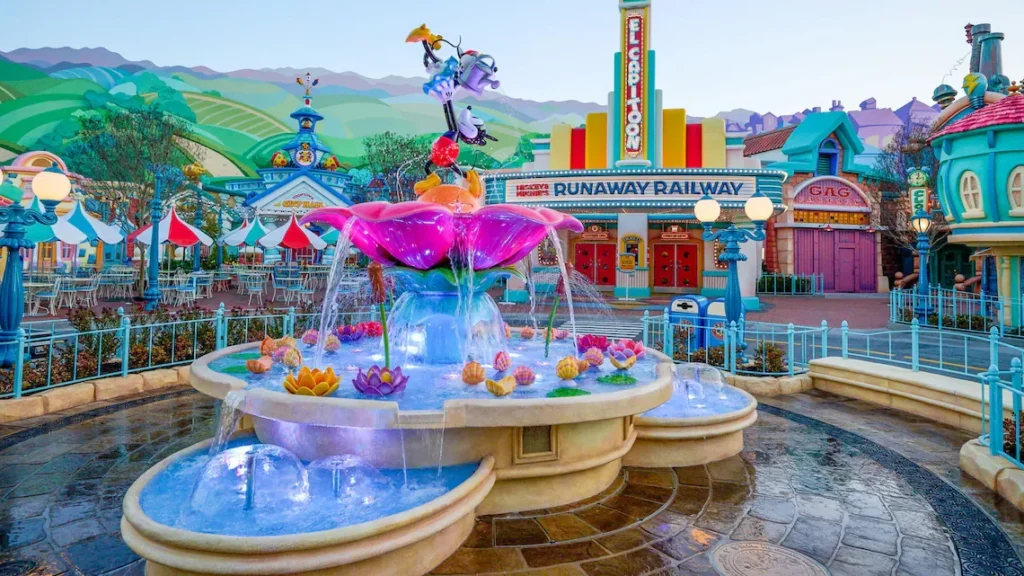 Disneyland Resort
Framework B: two usable days for two parks
A straightforward starting structure gives Disneyland Park one day and California Adventure another. Choose the order from current operating information, essential entertainment, admission conditions, and your group's preferences. The order below describes a structure, not a universal rule about which gate must come first.
On the first day, use a small shared core at the chosen park with practical meal and pause points. Do not try to finish every attraction because another gate follows tomorrow. Pick the experiences that explain why the group chose this park and let the rest remain optional.
On the second day, give the other park its own purpose. Use its particular worlds, rides, and entertainment rather than treating it as the remainder of day one's list. The group may want a different pace after the first visit, so protect the essential choices and keep room to adjust.
Read actual show schedules for each date. The official Disneyland app information describes maps, hours, showtimes, and wait estimates. Use current information as an input rather than a promise that each activity will fit a predicted timetable.
| Day | Shared core | Practical pieces to protect |
|---|---|---|
| First park day | A few suitable highlights that support that gate's main interest | Entry, food, breaks, route, and intended finish |
| Second park day | A distinct set of experiences people want at the other gate | The group's actual energy, essential arrangements, and return |
| Optional separate choices | Useful activities riders and non-riders freely choose | Meeting points, children, tickets, and belongings |
| A changed attraction or show | An acceptable alternative tied to the original interest | Enough flexibility to keep the shared day worthwhile |
This framework does not promise that two days complete the resort. It gives each park useful time without requiring a midday transfer. Our first-time resort guide adds the wider decisions around that structure.
 Disneyland Resort
Framework C: add a third session for a stated reason
Add another day or shorter session for a clear reason: favorites to revisit, a gentler pace, or room for different interests. Name that benefit before paying. More time should make the break better, rather than give you another list to finish.
Choose the return park from what the group wants now. That may reflect an experience missed earlier, a favorite setting, or a better balance of interests. Check the ticket's allowed use, reservations, and current operation rather than assuming every multi-day product supports any arrangement.
If the added session sits on arrival or departure day, trace the whole journey again. Include accommodation, luggage, transport, entry, food, and the route back out. A ticket can permit another use while the practical window still offers little value.
Our return-visit guide helps choose a clear purpose for that extra time. Keep a lighter non-park part of the break as a valid alternative when the group would prefer it.
 Disneyland Resort
Put the chosen framework on the actual map
Mark the main priorities, fixed commitments, meals, pauses, toilets, and relevant access facilities. Follow the current paths and connections rather than measuring the distance between illustrated attraction icons. A small list can still create repeated crossings if its order is not considered.
Our map-reading guide helps connect the route with the practical day. Our walking-distance guide adds questions about the approach to the entrance, standing, terrain, and useful rest.
Read individual access information and ask direct questions where needed. Do not assume a broad family-friendly description or positive editorial score answers a particular visitor's requirements. Our accessibility information guide helps organize the research.
If some people skip a ride, choose a useful alternative and clear meeting point. Keep supervision, tickets, and essential belongings with the right adults. Our different ride-comfort guide helps make separate preferences fair without losing shared highlights.
Read the ticket and reservation for every planned day
Confirm the exact parks, dates, visitors, valid period, reservation requirements, and movement rules for the product you intend to buy. Read the actual conditions rather than borrowing a rule from an older trip. The ticket and booking should describe the same chosen framework.
The official ticket dates guidance and eTicket terms are the sources for the current purchase. Product conditions can differ, so do not apply one familiar use period or upgrade rule to every offer.
Check separately priced events and optional extras on their own terms. A seasonal image does not prove that a particular session, meal, or premium access belongs to ordinary admission. Our ticket explainer helps separate those pieces.
Read changes and cancellations before paying when the plan is not firm. A short travel window makes those conditions especially useful. Our booking-changes checklist helps identify the process without assuming every unused product is refundable.
Compare lodging, food, and the full short-break cost
Use actual accommodation and transport totals for the proposed dates and visitors. Check location, fees, occupancy, parking, relevant benefits, and cancellation terms. A resort-area hotel name does not establish included admission or a short route to every gate.
Choose meals from current menus, hours, booking terms, and the group's preferences. Our food-planning guide helps connect food with the route. A reserved meal should have enough room to be enjoyed rather than squeezed into an unusable gap.
Include admission, travel, parking, meals, lodging, and intended extras in the same budget. Our trip cost guide helps compare complete versions. An additional ticket day may also add a room night, another journey, or more spending away from the gate.
Choose which additions genuinely improve the break. A shorter trip with a meal people value can be preferable to more access the group cannot comfortably use. Keep both as legitimate options rather than assuming the largest package defines a proper resort visit.
Test an outside break as a full round trip
If the group wants to leave for a hotel pause or another meal and return, trace the entire journey. Include reaching the exit, transport or walking, belongings, the actual pause, the return route, and entry. A nearby address does not establish a quick or effortless round trip for every visitor.
Read the actual ticket, reservation, re-entry, and any separate-event conditions before relying on that arrangement. Holding admission should not be expanded into a promise of return under every product or session. Resolve a necessary outside break directly with the operator before buying the surrounding plan.
Compare it with a suitable pause inside the visit or a deliberately shorter day. The useful choice depends on what kind of rest the people want and the practical route, not a universal rule that every family should leave at the same time.
| Break choice | Check before relying on it |
|---|---|
| Pause within the park | Suitable location, relevant conditions, and the individual's actual needs |
| Return to accommodation | Full round trip, belongings, entry conditions, and enough useful pause time |
| Finish earlier | The shared core remains meaningful and the return arrangement works |
Keep the chosen arrangement in the simple plan while allowing optional attractions to move. A useful pause should improve the short break rather than create another tightly timed transfer everyone must rush through.
Share the simple version and leave room to enjoy it
Before departure, share the park days, admission responsibilities, arrival, shared core, fixed commitments, meal and pause plan, meeting points, and finish. Keep personal confirmations and ticket codes private and available to the right adults. Mark optional choices clearly as optional.
Recheck official notices and the forecast near the trip, then follow current directions on the day. Use the shared purpose to decide what changes when an experience is unavailable or people want a different pace. A short Disneyland Resort break works when the chosen days fit the real journey and give your people meaningful time together.
Explore the places in this guide
Disneyland Park
Anaheim, California, United States
THMPRK Score: 8.4/10
Explore the place guideDisney California Adventure
Anaheim, California, United States
THMPRK Score: 8.0/10
Explore the place guidePlace details come from the current THMPRK guide. Check official calendars and ticket terms for your visit.
 Disneyland Resort
0 thumbs up0 thumbs down
Was it useful? Pick a thumb.
Guides & stories
Keep the good ideas coming.
A few next reads to help with the choices ahead.

For the places you’re exploring
Rides, snacks and a music video: Selena Gomez’s Disneyland days
A music video and a family outing reveal different sides of Selena Gomez’s Disneyland visits. Follow the rides, her own remarks and the stories behind the attractions.
Read article
For the places you’re exploring
The amusement parks Walt Disney visited: what the records show
From Tivoli to a California car ride, follow the evidence for Walt Disney’s park visits, the ideas he studied, and the famous stories that need a closer look.
Read article
For the places you’re exploring
7 Questions to Ask Before Giving Theme Park Tickets as a Gift
A park ticket should feel like a good invitation. Ask seven useful questions about dates, interests, travel, and ticket rules before giving someone a day they still need to plan.
Read article