

Start with the official accessibility page for the exact park you plan to visit. Then narrow the research to the details that matter to the person attending: reaching the entrance, moving around, using attractions, finding a break, or accessing information and entertainment.
A general “accessible” label cannot answer all of those questions. Neither can a story from another visitor, even when their trip sounds similar. The useful plan comes from current official information and the person’s own needs and preferences.
Here is a practical way to organize that research without asking one page to explain every part of the day.
Begin with the right destination and park
Check the destination name before reading a service description. Disneyland Resort in California and Walt Disney World in Florida have different parks and information. Universal’s California and Florida destinations also need their own checks.
The Disneyland accessibility overview provides a starting point for that resort, including pre-arrival resources and links for different needs. Universal Orlando’s official accessibility information is a separate starting point for its destination.
Save the exact official page rather than a search result summary. Read the date or current notices where provided, and follow the venue’s own links to more detailed information. A summary can leave out the condition that matters most to your visit.
Keep a short note of the questions still unanswered. That makes it easier to ask the park a focused question rather than starting the conversation with a very broad request.
Divide the day into practical parts
Think through arrival, entry, movement around the park, attractions, meals, restrooms, breaks, and the return journey. A plan can work well in one part and still have a gap in another. Looking at the whole day helps you find those gaps early.
Ask the person attending which details matter most. They may already know the kind of information they need. Let their priorities lead, and avoid making assumptions from age, a diagnosis, or a visible mobility device.
Write questions in concrete terms. “How do I reach this attraction?” and “What boarding information is available?” lead to different parts of the official guidance. Keep each question close to the experience or journey it concerns.
You do not need to share personal details with the whole group to make the plan work. Give companions the practical information they need, with the person’s agreement, and keep the rest private.
Read attraction details separately from entry services
Getting into the park and using a particular attraction are different parts of the visit. Check the official attraction information for boarding, movement, effects, and other relevant details. Do not infer eligibility or comfort from a photograph.
The Disneyland mobility information is one example of a more focused resource linked from a wider accessibility overview. Use the section that matches the question you are researching, then check individual attraction information where needed.
Avoid treating a named service as a promise about every ride. Current program terms, registration steps, and attraction requirements can differ. Read what the service does and what other information you still need.
If an experience remains unclear, use the park’s official contact route to ask before building the day around it. Keep the reply with your planning information. A familiar attraction name at another destination does not settle the details here.
Look beyond height and physical movement
Noise, darkness, lighting, smells, enclosed spaces, projected motion, and other effects can shape someone’s experience. The questions are personal. A slow ride may still include effects a person wants to understand before choosing it.
Look for the park’s official sensory descriptions, planning guides, and attraction-specific warnings. Read them with the visitor’s own priorities in mind. A category such as “family ride” cannot replace that information.
Allow a person to change their mind when they reach the attraction or learn something new. A decision to skip one experience does not need to become a group discussion about bravery or value for money.
Choose some shared alternatives before arrival. A few useful options make it easier to move on with the day if one attraction does not fit. The aim is a visit people can enjoy together, with room for individual choices.
For shared alternatives, explore these ways to enjoy a park beyond its biggest rides. Our story about the details that shape a themed land offers a different reason to spend time looking around.

Check maps, facilities, and information formats
Read the official maps and facility information for the parts of the day that matter to your group. Check restrooms, break locations, parking or transport, and any rental or service arrangements you may need. Find out which details can be confirmed before arrival.
If you use captioning, interpretation, audio description, or other information services, check the current arrangements directly. A service may have a schedule, location, device process, or advance step. Keep those details beside the experience you want to attend.
Use available formats that work for the person planning the trip. If an important document or page is difficult to use, contact the venue through its official support route and explain the information you need.
Keep one easy-to-find set of links and confirmations. It should help you use the information during the day, not become another large folder that nobody wants to search at the entrance.

Plan genuine breaks and a manageable route
Put rest into the first version of the plan. An attraction queue, a long walk, or a busy show may not provide the kind of break a person needs. Choose pauses around the actual visitor rather than the label on an activity.
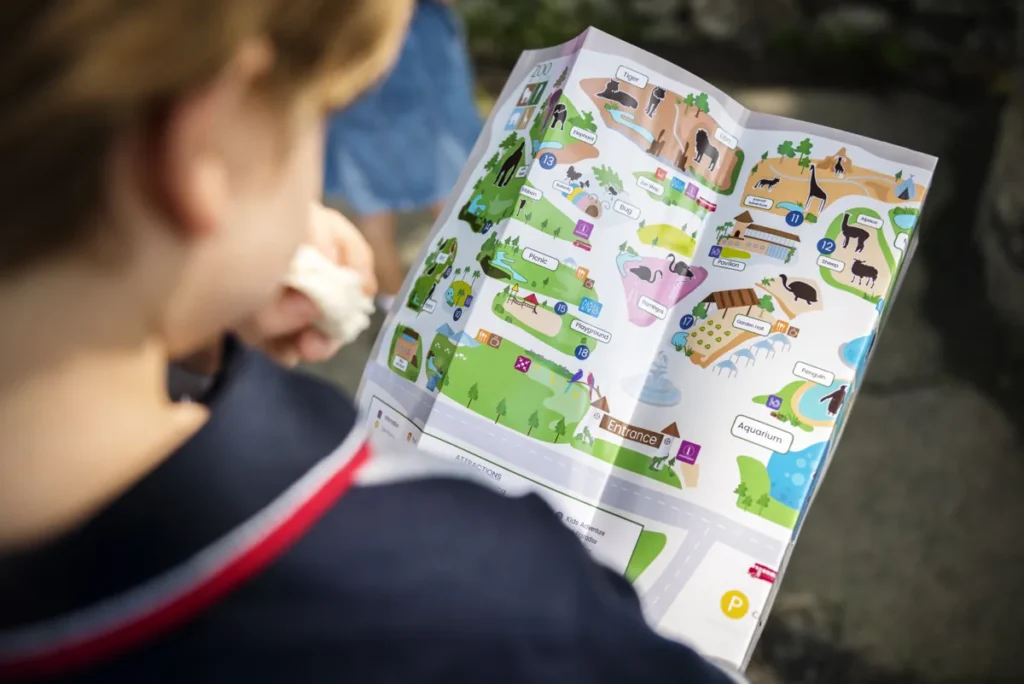
Use the current park map to group nearby choices. Check the journey between your shared highlights, including any transport arrangements you plan to use. A shorter list can give the visit more room to work.
Agree on how the group can split and rejoin if that helps different interests fit. Make sure each person has something they want to do. Nobody should have a permanent waiting role because their choices differ from the main ride list.
Our multigenerational park guide explains another way to plan around different needs and interests. Use the parts that fit your people, with the official access details for the exact park.
Use the heat-planning checklist when deciding where pauses belong. The mixed-age park day planner can help you agree on shared choices without making assumptions about anyone’s preferences.
Finish with questions the park can answer
Review the gaps before paying for a trip that depends on a particular arrangement. Ask the park about the exact service, attraction, or journey you need to understand. Avoid asking another visitor to guarantee how an official process will apply to you.
Check the guidance again before departure and look for current notices on the day. Keep the plan flexible enough to respond to new information. Follow staff directions and use the park’s support services when you need help during the visit.
Use Explore places to compare destinations, then return to the official resources for the details that shape access. A useful guide helps you ask the right questions; a good plan gives the person attending a clear voice in the answers.
0 thumbs up0 thumbs down
Was it useful? Pick a thumb.