
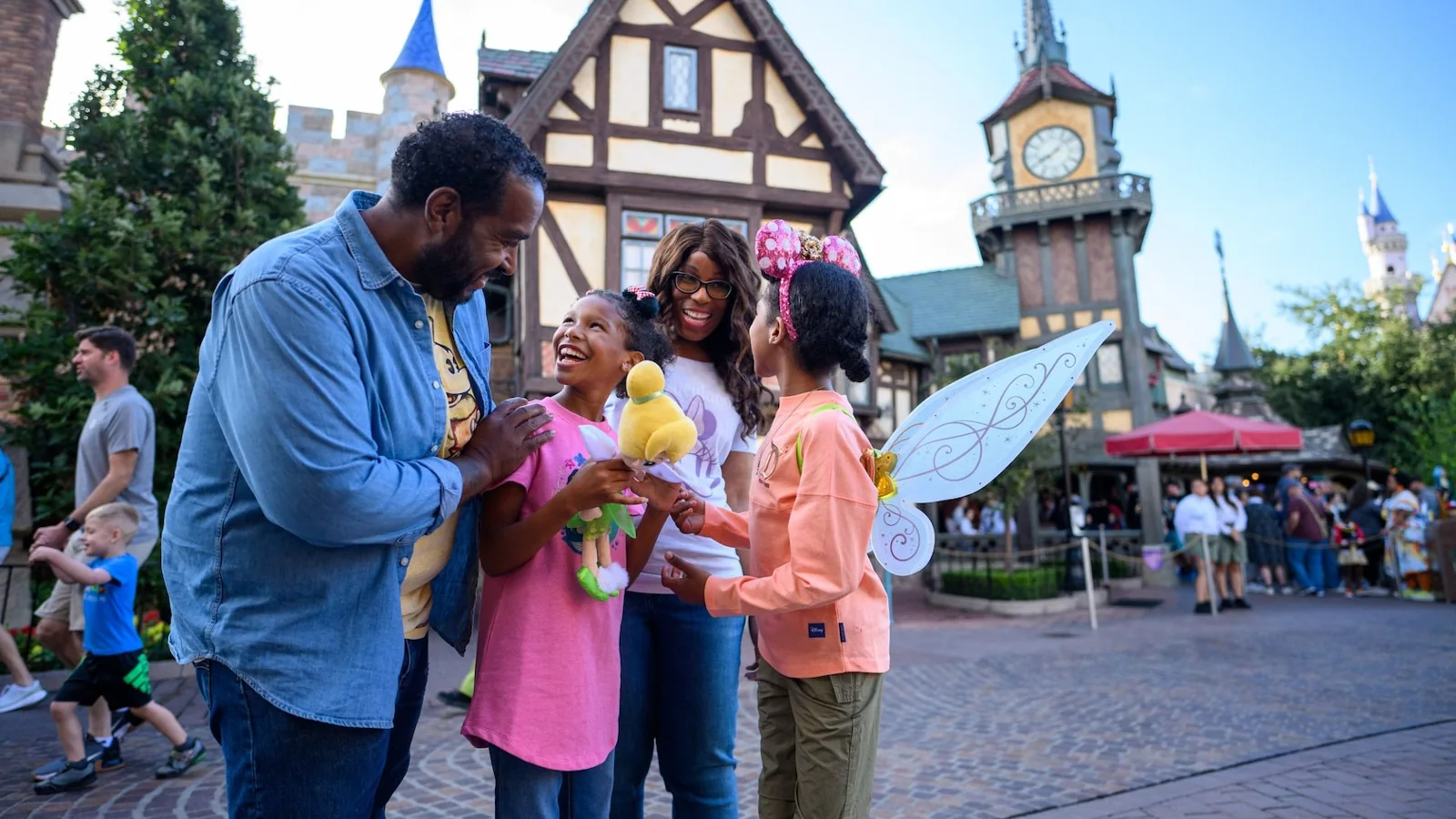
Use two days at Disneyland Park to spread the choices across its lands, revisit a favorite and leave room for food and rest. This outline keeps each day focused on a few experiences. It covers the park’s different settings without promising that every attraction will fit.
Both days in this plan are for the same park. If you are deciding whether to split the trip with Disney California Adventure, use the park comparison before committing. Check admission and any date-specific entry requirements directly with Disney; a two-day outline does not establish what your ticket includes.
Make the fixed decisions first
Check the official park calendar for both dates. Put any dining reservation or other timed booking into the appropriate day before arranging flexible choices. Leave time for reaching it, checking in and handling the group’s needs. Do not reserve the same part of the day for several experiences that each require a fixed time.
Choose three priorities for each day, with an alternative for each. Six priorities over two days give everyone something to look forward to while leaving space for changes. The priorities are choices, not a promise that queues or operating conditions will cooperate. A repeat can be a useful priority rather than evidence that you missed something else.
Check participation and access attraction by attraction. A land’s theme is a way to organize the visit, not a shortcut for judging intensity or suitability. Read the official height, boarding and sensory information for the specific experience before including it in a shared plan.
Day one: Main Street and the east-side choices
Begin with Main Street, U.S.A., then build the day around Fantasyland, Mickey’s Toontown and Tomorrowland. Use the park map for the actual path you take; this is a grouping of choices rather than turn-by-turn walking directions. Keep a needed facility or food stop ahead of the next optional attraction.
| Setting | Choice to compare | Planning question |
|---|---|---|
| Main Street, U.S.A. | A film, gallery or theater stop | Do you want to watch, browse or move on? |
| Fantasyland | A story ride or another fairy-tale activity | Which scenes and motion suit the group? |
| Mickey’s Toontown | A cartoon ride, house or play area | Does the group want to ride or explore? |
| Tomorrowland | A space coaster, simulator or target game | Which kind of participation matters? |
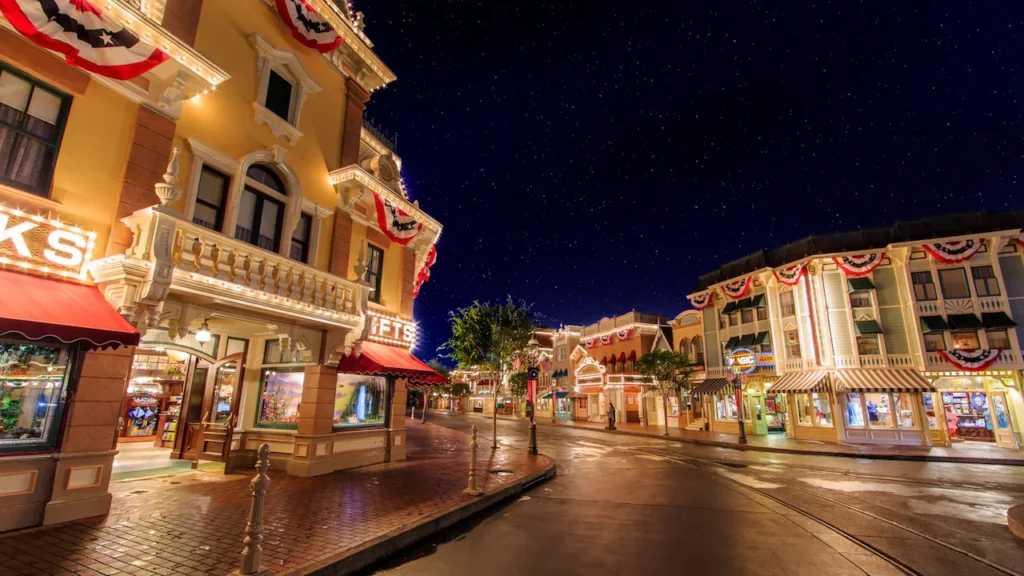 Photo: Disneyland Resort
Choose a story before collecting rides
In Fantasyland, compare Peter Pan’s Flight (official details) with Alice in Wonderland (official details), or choose another story the group knows. Treat them as alternatives for your first priority. A familiar film can make the choice easier, but it does not remove the need to check the ride’s actual scenes and boarding arrangements.
Leave space to return to something people enjoy. Two days give you a chance to notice what the group responds to rather than treating a long checklist as the only measure of value. If the first choice is unavailable, use the alternative without making it a contest to recover every missed attraction.
Give Toontown its own kind of time
Compare Mickey & Minnie’s Runaway Railway (official details) with the houses and play areas listed in the official Toontown guide. Riding, meeting a character and exploring play equipment are separate activities. Let the group choose the format it wants rather than assuming one cartoon land means one kind of visit.
A food break at Café Daisy (official details) or a snack at another nearby stop can be considered on its own merits. Check the current menu, ordering information and availability. A food stop should serve the group’s needs rather than become another obligation attached to a ride.
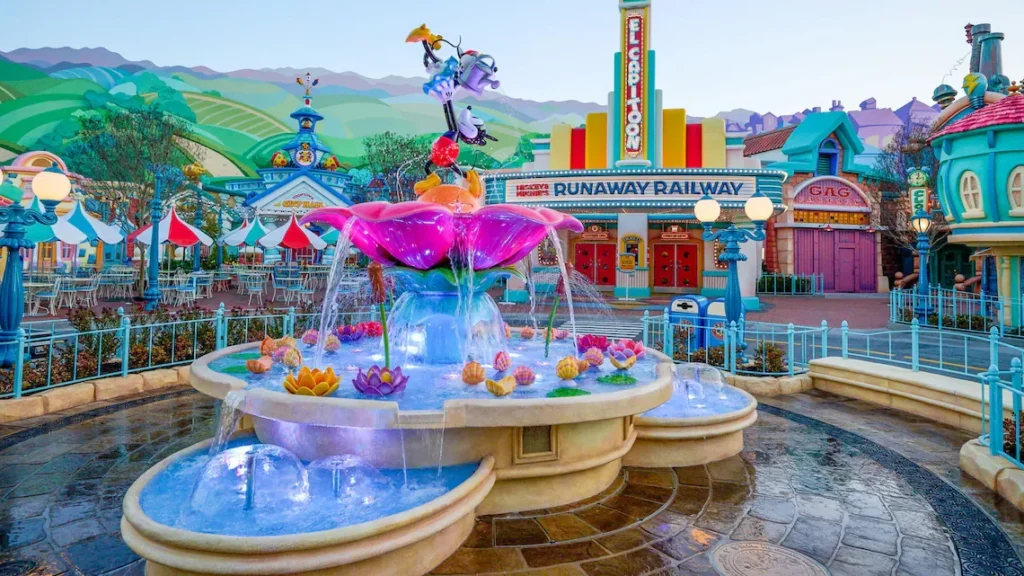 Photo: Disneyland Resort
Make Tomorrowland a format choice
For a later priority, compare the coaster format of Space Mountain (official details) with the motion-simulated journey of Star Tours – The Adventures Continue. If the group wants a game instead, read about Buzz Lightyear Astro Blasters (official details). These are options with different participation and sensory questions, rather than a requirement to ride all three.
End the first day with one choice everyone understands: a repeat, an available performance or time to leave without another queue. Check the second day’s priorities before bed, while leaving room to change them based on what you learned.
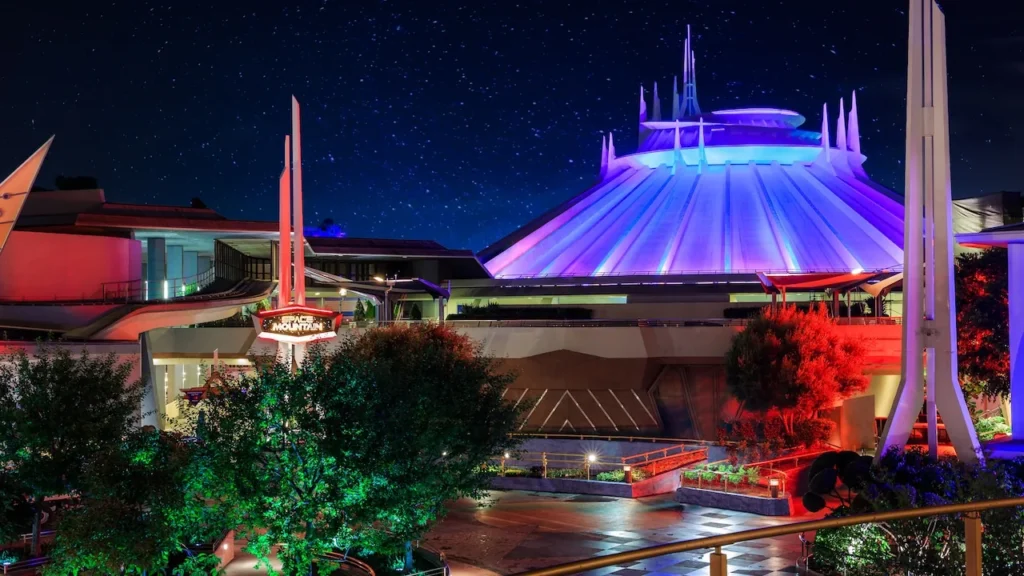 Photo: Disneyland Resort
Day two: Adventureland and the river-side stories
Use the second day to choose among Adventureland, Frontierland, New Orleans Square, Bayou Country and Star Wars: Galaxy’s Edge. There are more possible activities here than a short list can fairly promise. Pick the ones that fit the group and let the other settings provide optional stops.
| Setting | Choice to compare | Planning question |
|---|---|---|
| Adventureland | A temple ride, boat tour or seated show | How much movement does the group want? |
| Frontierland | A coaster, river vessel or island visit | Is the activity riding, cruising or exploring? |
| New Orleans Square | A pirate story or a haunted estate | Which story and boarding format fit? |
| Bayou Country | A water adventure, Pooh story or canoe activity | What participation needs should be checked? |
| Galaxy’s Edge | A Falcon mission or Resistance escape | Which adventure earns a priority slot? |
Begin with an adventure the group chose
Compare Indiana Jones Adventure (official details) with Jungle Cruise (official details) or Walt Disney’s Enchanted Tiki Room (official details). The temple’s vehicle motion, a skipper-led boat trip and a seated musical presentation answer different interests. Choose the one people want, then check its own rules and current availability.
Frontierland offers another format choice through its official land guide: a coaster, a river vessel or an island activity. Do not treat every river-associated experience as the same boarding arrangement. If a transport or vessel is part of your plan, check its actual operating information before depending on it to reach another stop.
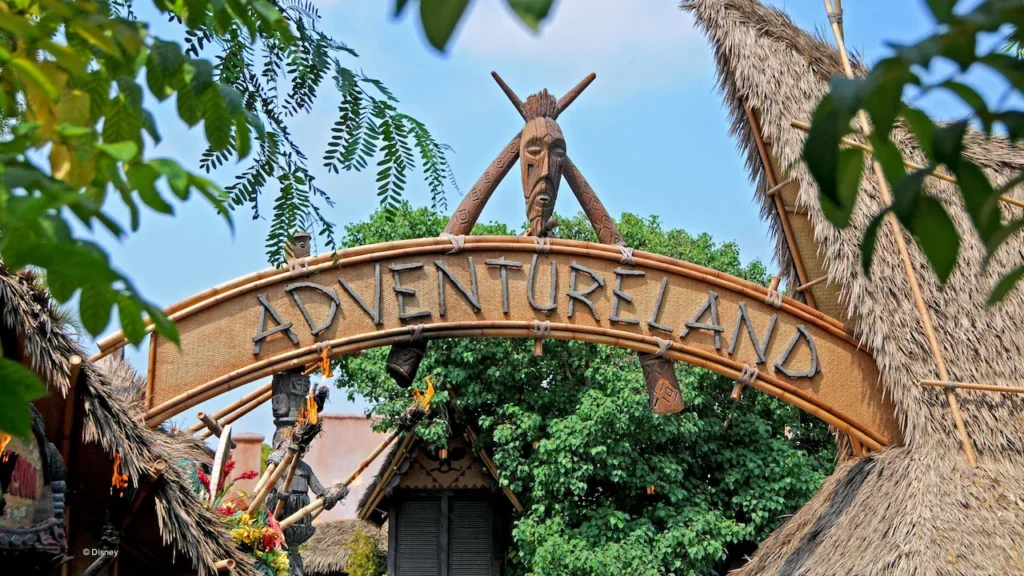 Photo: Disneyland Resort
Make the meal part of the plan
Choose a meal break before adding a second large activity block. Compare current venue pages and menus for the kind of food and service you want. A table-service meal needs a different allowance than a snack stand, and a restaurant reservation does not automatically include entertainment viewing.
If you have secured a booking, build around it and read its terms. If you have not, keep a quick-service option available rather than assuming that a table will appear. The official Disneyland dining guide can help compare the current options. Prices and menus stay with the operator so the plan does not depend on a copied offer.
Choose the next story, then leave an alternative
Compare Pirates of the Caribbean (official details) with Haunted Mansion (official details) in New Orleans Square. Their boats and mansion vehicles make different experiences. Check the current presentation and participation information before deciding what fits your group.
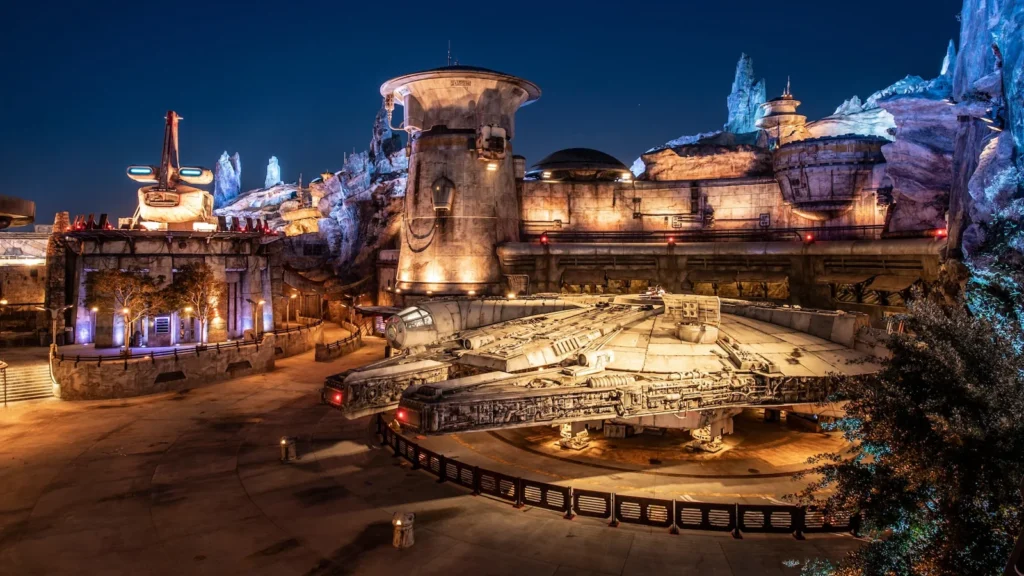
In Bayou Country, the official land guide separates Tiana’s water adventure, Pooh’s story ride and the Explorer Canoes. In Galaxy’s Edge, compare Millennium Falcon: Smugglers Run (official details) with Rise of the Resistance (official details). Choose one of these settings for a priority block rather than treating every named ride as a promise.
Protect the parts that make the trip work
Leave one flexible block each day for a meal that takes longer, a favorite you want to repeat or a break the group needs. Queues, walking, boarding and personal pace all affect the day. Adding ride durations together cannot tell you when the whole plan will finish.
Check the location of the facilities you actually need. A restroom, Baby Care, a water refill and a locker are different stops. If you are using rented equipment, read the current use and return terms rather than assuming an outside-the-gates service belongs to one particular land.
Finish each day by checking belongings and the journey out. For more help with the decisions before arrival, use the first-timer planning guide. Then keep a short written list for each day: three priorities, their alternatives, the meal plan and any real booking. That gives the trip structure while leaving the people in it room to choose.
Collect the choices in THMPRK’s My day planner for Disneyland. Saving a stop helps organize the day; it does not reserve a ride, a table or a place in line.
0 thumbs up0 thumbs down
Was it useful? Pick a thumb.
Guides & stories
Keep the good ideas coming.
A few next reads to help with the choices ahead.
More planning advice
One Day at Disneyland Park: A Flexible Plan With Room for Breaks
Choose three priorities for a day at Disneyland Park, then build in meals, breaks and room to change course. This flexible outline helps mixed-interest groups make useful choices without a minute-by-minute schedule.
Read the guide
More planning advice
Thanksgiving Theme Park Trips: Admission and Calendar Checks
Turkey dinner and a full ride list can ask for the same hours. Sort out the calendars, admission, and shared priorities that make a Thanksgiving park trip work for your group.
Read the guide
More planning advice
Theme Park Accessibility Guides: How to Find the Details You Need
Useful access planning starts with the questions that matter to you. Find official park resources, check individual experiences, and build a visit around the person attending rather than a broad label.
Read the guide