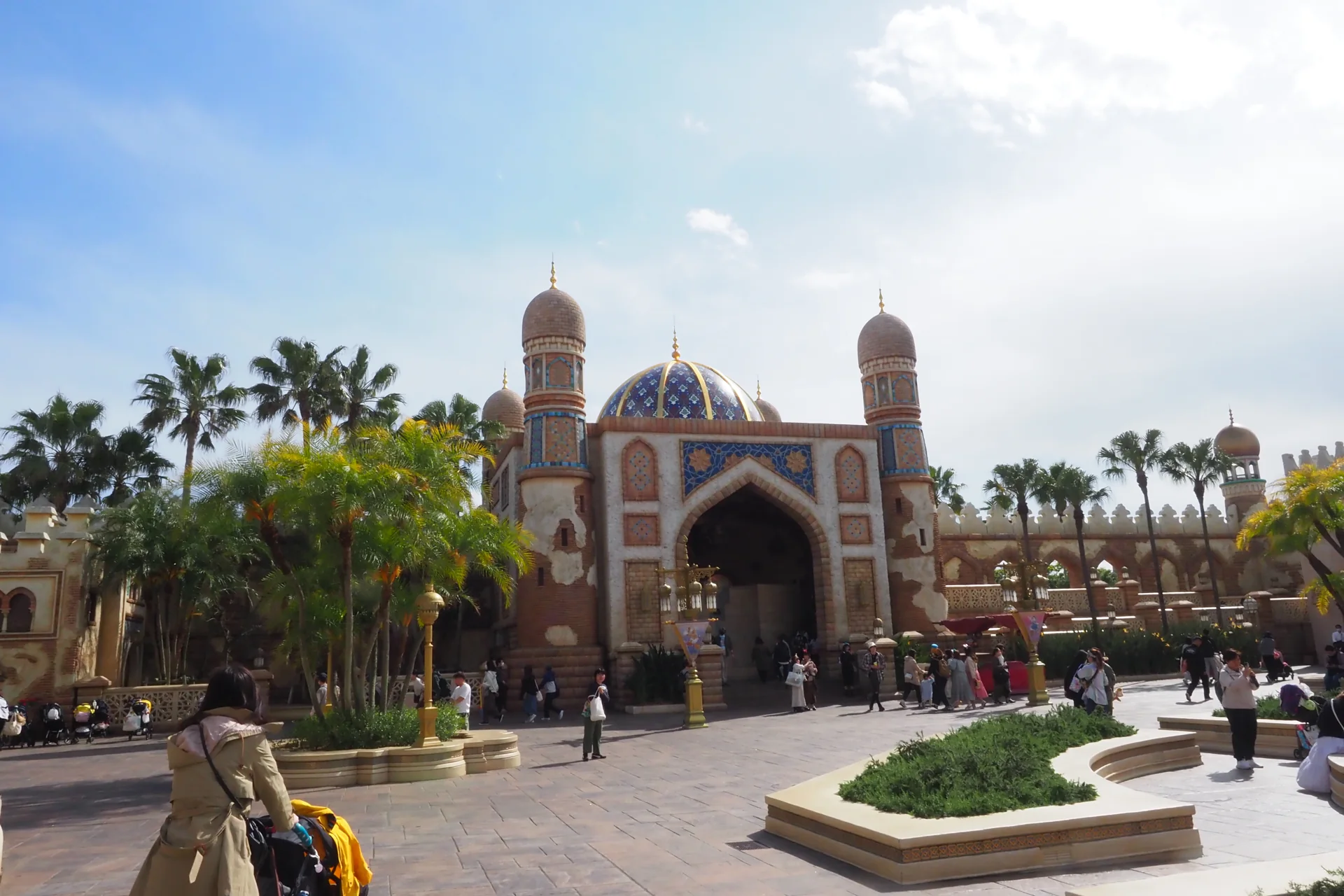
Featured photograph: Tokyo DisneySea, April 17, 2023. Photo: othree · CC BY 2.0. Resized and compressed for the web.
Tokyo Disneyland and Tokyo DisneySea have Disney in their names. Yet The Walt Disney Company does not own the two parks. A Japanese company called Oriental Land Co., Ltd., or OLC, owns and runs them. Disney confirms this in its annual report.
Separate the business from the creative permission. OLC owns the park operation; its contract allows Disney’s names, characters, and stories in return for payment to Disney. That arrangement helps explain the parks’ growth and OLC’s preparations for a Disney cruise ship, without treating the businesses as identical.
Who owns what?
The two parks are part of Tokyo Disney Resort. OLC is a separate Japanese company, not a branch of Disney. Its 2026 company report says the two companies have no capital relationship. In plain English, Disney has no ownership stake in OLC.
An ownership stake is a share of a business. If you own shares, you own a small part of that company. OLC’s shares trade on the Tokyo Stock Exchange. Its shareholder list for September 30, 2026 includes Keisei Electric Railway and Mitsui Fudosan. These are among OLC’s owners; Disney is its business partner.
This is the first useful distinction: owning a place and owning the stories used there are two different things. OLC can own the park without owning Mickey Mouse.
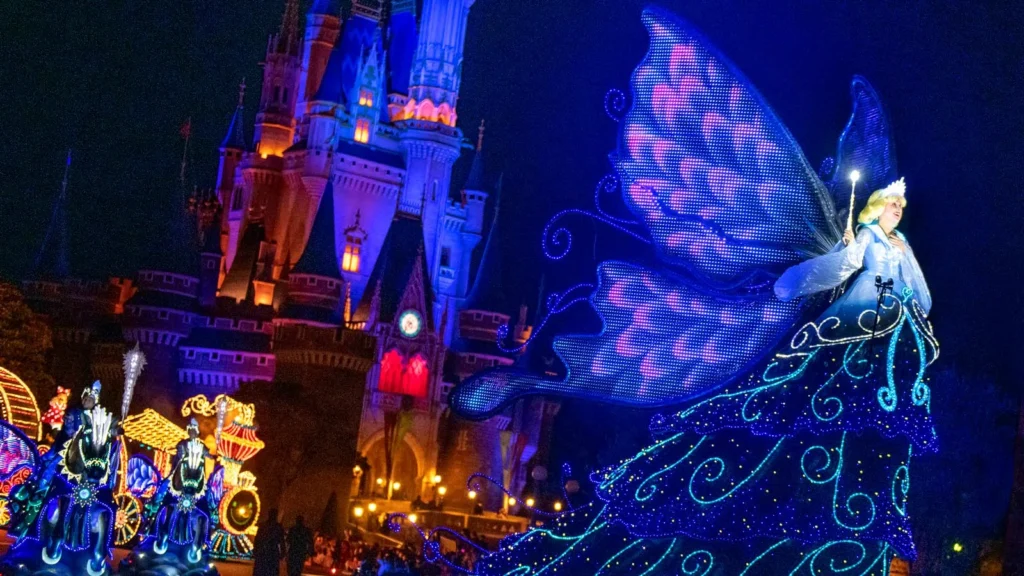 Disney / Tokyo Disney Resort
What does licensing mean?
A license is permission to use something that belongs to someone else. A contract sets the rules for that use. The thing being licensed might be a name, a character, a film or a design.
Think of a movie theater. A company can own the theater building, seats and snack counter. That does not mean it owns the films it shows. It still needs the right to show those films. That example shows how ownership and permission can be separate.
For Tokyo’s parks, Disney provides the rights to use its brand and stories. OLC develops and runs the resort under that license. OLC’s description of the agreement also explains that it pays Disney fees based on net sales. Net sales means sales after adjustments such as refunds.
The company granting permission is the licensor. The company receiving permission is the licensee. Here, Disney grants the rights and OLC receives them. Neither word means that one company owns the other.
What are royalties, and where does the money go?
A royalty is a payment for using someone else’s rights. It can be based on sales. That is different from buying shares in the company.
Two more words help here. Revenue is money a business brings in from sales. Profit is what remains after costs are taken out. A payment tied to sales is therefore different from simply splitting whatever profit is left.
Disney’s financial report on Tokyo Disney Resort says it earns royalties on resort revenues. OLC runs the business that serves the guests. Its own company group handles work that includes park operations, food, merchandise and maintenance.
You may have seen exact percentages in stories about the deal. A 1999 Hong Kong Legislative Council research note described Tokyo royalties of 10% on admission fees and 5% on food and merchandise sales. Those are historical figures from that document. They should not be treated as a fresh statement of every fee in the current contract.
The useful point is how the deal works: Disney can earn money from the use of its stories while OLC owns the park business and pays its costs.
Why did Disney choose this deal?
The early talks did not begin with the final ownership setup. In his 1998 memoir Work in Progress, written with Tony Schwartz, former Disney chief Michael Eisner explained that the talks first focused on a joint venture. That means a business owned by partners.
Eisner linked Disney’s change of direction to the rising cost of building EPCOT at Walt Disney World. In his account, that made Disney less eager to put money into another major project. This is his later account of the talks, in chapter 10, page 262; he joined Disney in 1984, after the Tokyo agreement.
The license deal offered a different path. Disney could bring its park ideas to Japan and earn fees. OLC would arrange the money to build and operate the park. The partners had different jobs, with different costs to bear.
OLC had already spent years preparing. The company formed in 1960, and its early work included creating land along the coast at Urayasu. Its business history traces that land project and the later Disney agreement.
During 1972 and 1973, OLC studied leisure sites in Europe and the United States. It then chose to pursue a Disney park. OLC and Disney signed their basic construction and operating agreement on April 30, 1979. Finding the money was still difficult. A group of 22 financial institutions was formed in August 1980 to help fund the project, according to OLC’s account of the negotiations.
Keep the two steps distinct: securing permission to use Disney’s name and arranging the money to build a whole park. The brand agreement alone did not pay for the destination visitors would eventually enter.
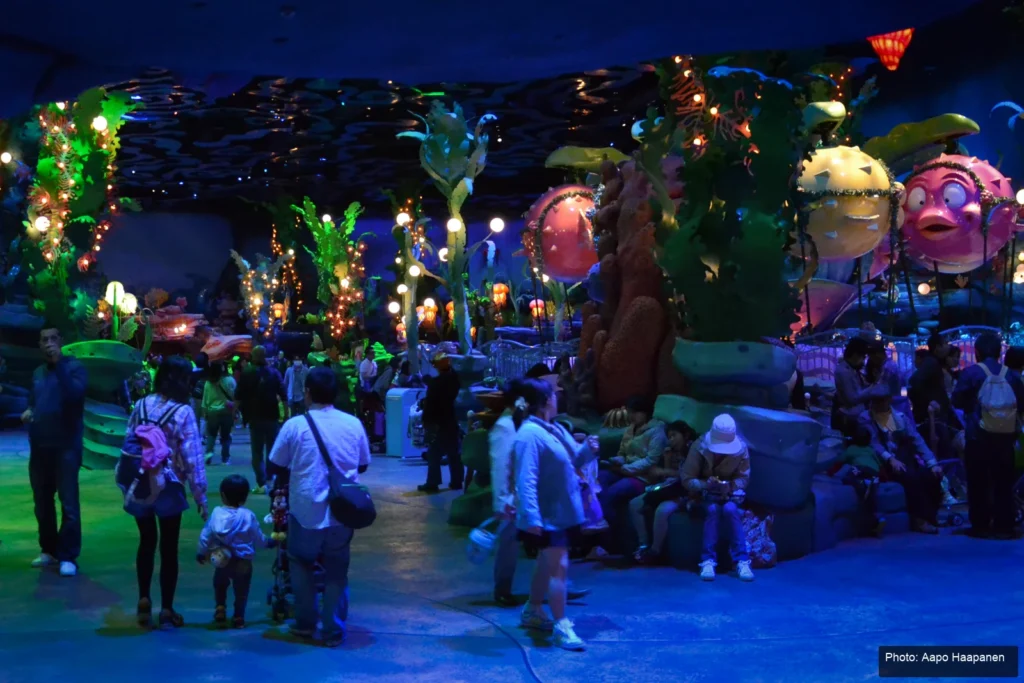
Disney’s role goes far beyond the name
A license does not mean OLC simply puts a Disney sign over the gate. The companies have worked together on the visitor experience from the start.
OLC began sending trainees to Disneyland Park in California in January 1980. The first group included nine managers, who spent about a year learning how the park worked. Around 150 employees eventually went for training. Tokyo Disneyland opened on April 15, 1983. These details come from OLC’s history of the opening.
That training makes the deal easier to picture. The Japanese company needed people who could run the park each day. Disney had years of park knowledge to share.
The resort later gained a second park. Disney and OLC reached a basic agreement for a new park and hotel in May 1996. Tokyo DisneySea opened in September 2001, as recorded in OLC’s resort timeline. The two parks grew out of the same long partnership.
The creative work continues. Fantasy Springs opened at Tokyo DisneySea on June 6, 2024. Its areas bring together the worlds of Frozen, Tangled and Peter Pan, as described in Disney’s opening report.
For Peter Pan’s Never Land Adventure, Disney Imagineers worked with artists from Walt Disney Animation Studios. They combined ride motion, sets, projections and new animation to create the feeling of flight. Disney’s account of that work shows why ownership and design are separate questions: OLC owns the park, while Disney artists and engineers help create what guests experience.
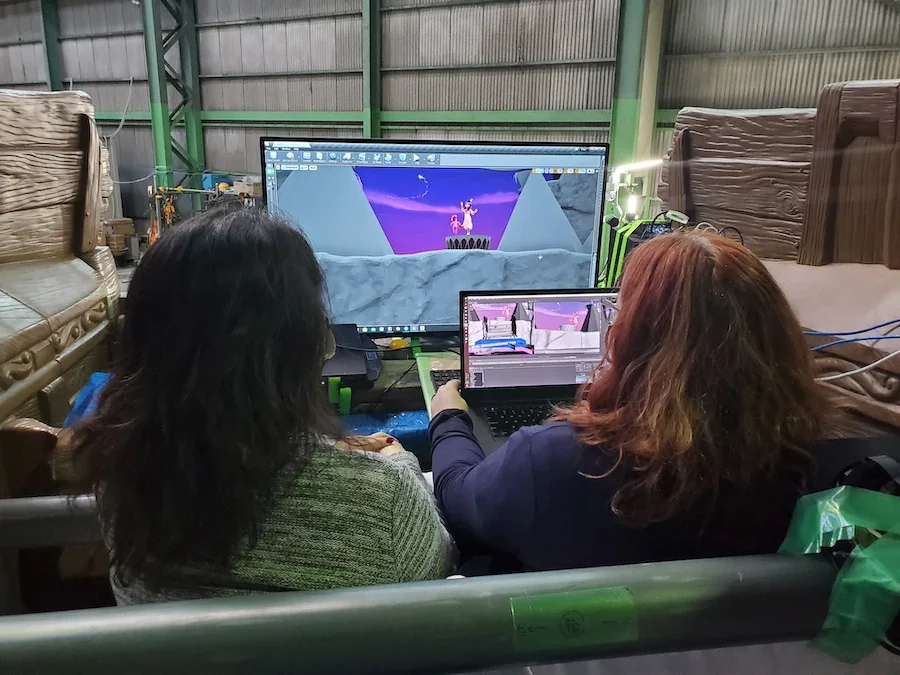 Disney
An Imagineer is one of Disney’s creative and technical specialists who helps make places and experiences. Their work can include art, stories, buildings and ride systems. Our story about how themed lands tell stories explores what those choices can do for a park visit.
How does the arrangement work today?
OLC remains the owner and operator of both parks. Other companies in the OLC group handle parts of the wider resort. For example, Milial Resort Hotels runs the group’s hotel business, while Maihama Resort Line runs the monorail business. OLC’s group overview sets out those roles.
A subsidiary is a company owned or controlled by another company. A group can use subsidiaries to manage different parts of its work. That is why several company names can appear around one resort without changing who owns the parks.
The Disney relationship is built for the long term. OLC’s current report says the park and hotel license can be extended to a maximum of 2076. That is a limit described in the license summary, not a promise that the parks will close that year or that ownership will change then.
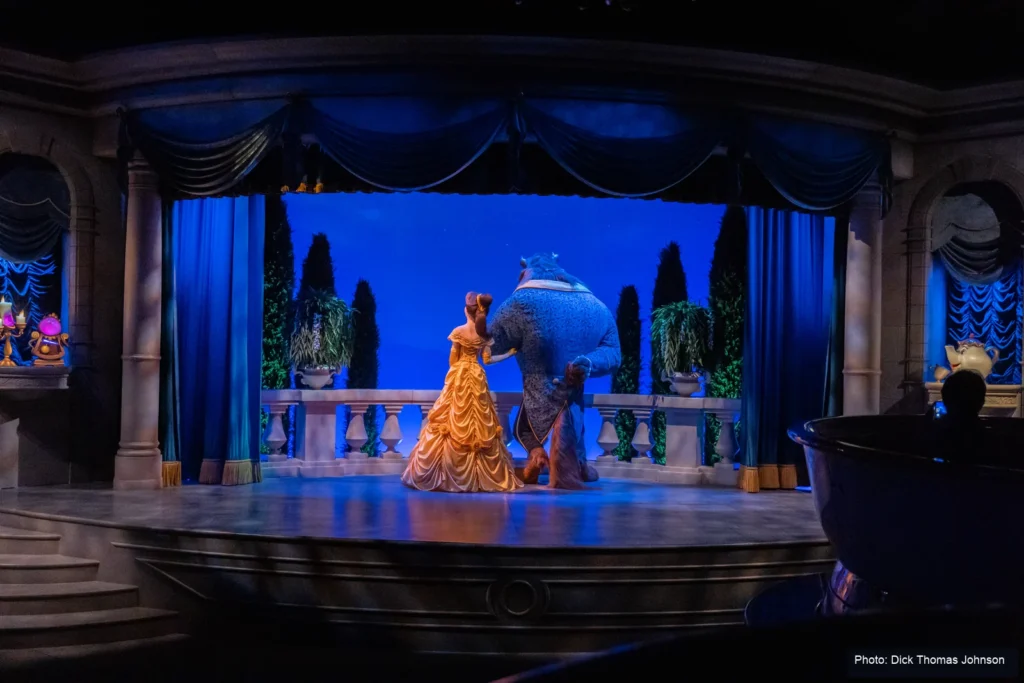
Now the partnership is heading out to sea
OLC and Disney signed a cruise license agreement on July 9, 2024. The original announcement explained OLC’s reasons: a chance to grow in the Japanese cruise market, experience gained from parks and hotels, and its long relationship with Disney.
The ship now has a name: Disney Imagination. Disney announced it in October 2026, with a planned start from Tokyo in spring 2029. It will be the first ship for Disney Cruise Line Japan, the Disney-branded cruise business operated by OLC. These are future plans; the ship is not carrying guests yet. See Disney’s name announcement.
OLC’s cruise business uses a company called Oriental Land Cruise Co., Ltd. Its subsidiary announcement states that OLC owns 100% of that company. In everyday terms, OLC owns the whole cruise company, rather than sharing its ownership with Disney.
Disney still has a major creative role. The cruise project announcement names Walt Disney Imagineering as the ship’s designer and says the design is based on Disney Wish. Owning the ship and creating the Disney experience are different parts of the same project.
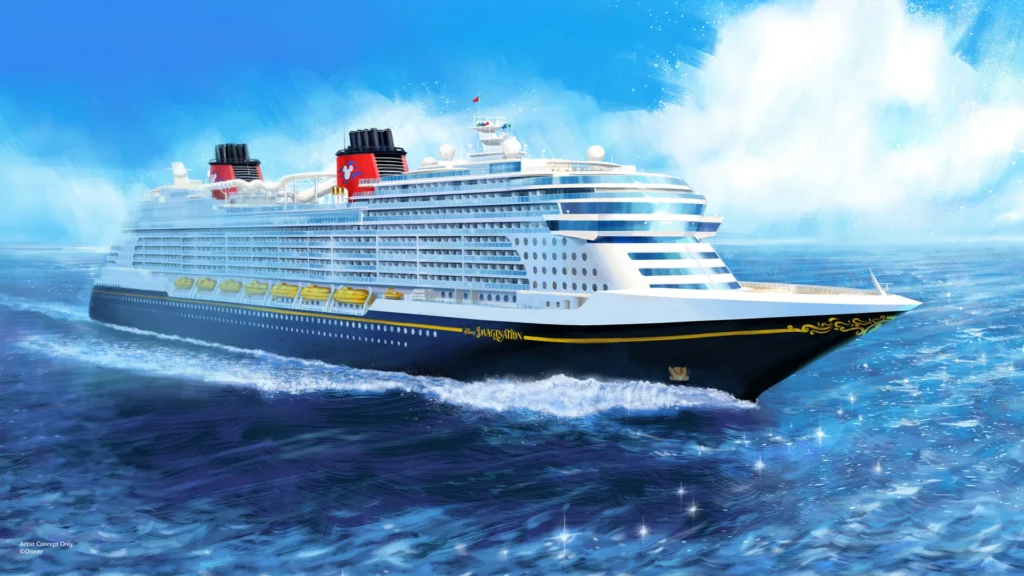 Concept art: Disney
OLC’s current cruise plan lists about 1,250 guest rooms and space for about 4,000 guests. It describes trips of two to four nights from the Tokyo area. These are planned details, not a final sailing schedule. The cruise license also calls for royalties based on net sales.
There is a small story detail to watch for, too. Disney’s name reveal says Ariel and Sebastian will decorate the back of the ship, called the stern. Ariel will use a fork—her dinglehopper—to draw the ship’s name. Disney says more details about trips and onboard experiences will come later.
What this means when you plan a visit
Both Tokyo parks have the same owner. The choice between them is about the experiences your group wants, not a choice between two rival operators. Use our two park pages below to compare their rides and settings.
For bookings, use Tokyo’s own official information. The Tokyo Disney Resort park guide explains ticket buying and the resort app. Its ticket-use instructions show how to display or register tickets for a visit. Check the current details for your date rather than assuming a rule from another Disney destination applies.
As you explore the parks, look at the two kinds of work around you. There is the business that funds and runs the place. Then there are the Disney stories and design skills that help shape it. Tokyo’s long partnership brings those pieces together—and its next chapter is being built for the sea.
Explore the places in this guide
Tokyo Disneyland
Urayasu, Chiba, Japan
THMPRK Score: 9.3/10
Explore the place guideTokyo DisneySea
Urayasu, Chiba, Japan
THMPRK Score: 9.3/10
Explore the place guidePlace details come from the current THMPRK guide. Check official calendars and ticket terms for your visit.
0 thumbs up0 thumbs down
Was it useful? Pick a thumb.
Guides & stories
Keep the good ideas coming.
A few next reads to help with the choices ahead.
More stories
Why Park Layout Matters When You Choose Your Day
A great ride list can still make a tiring route. Look at the spaces between your favorites, place real breaks on the map, and choose a park day that holds together.
Read article