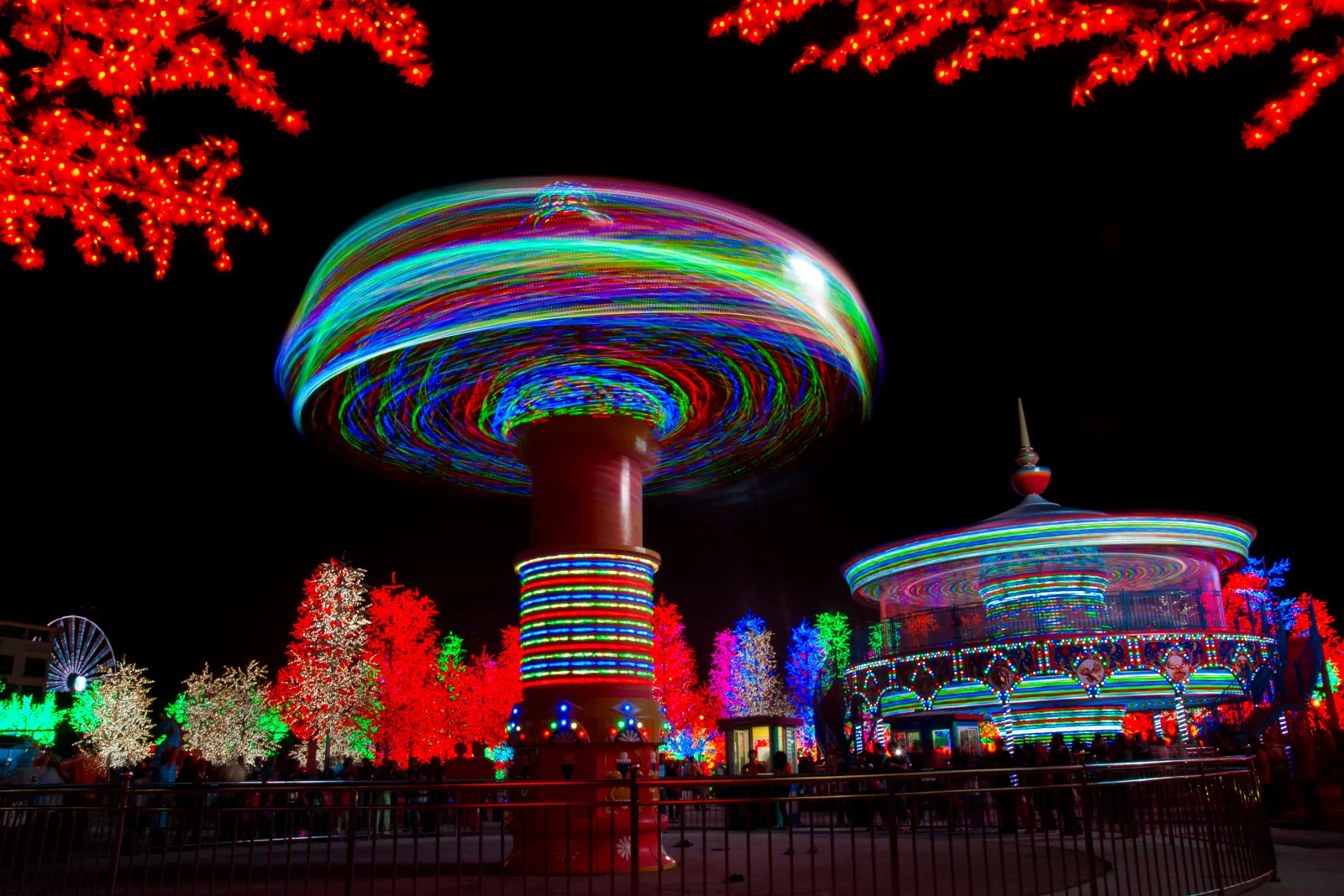
Choose the shared part of a holiday park visit before filling the rest of the day. Ask what each person wants, identify a few highlights people can enjoy together, and give different preferences room around them. The goal is a visit with a clear purpose for everyone, not a vote that leaves half the group waiting.
Give the seasonal wish list a calendar check. Shows, decorations, meals, and rides can all compete for the same hours, so confirm what is announced for your date and included in admission. Build the festive day from those choices. A photograph is an invitation to investigate, rather than a promise.
Ask for wishes and limits separately
Invite each person to name a few things they would enjoy. Keep the answers specific: a particular ride, a show, a meal, a story setting, or time to explore. “Do everything” is an expression of excitement, not a plan the group can use.
Then ask about limits. Some people may want an earlier finish, less walking, fewer intense rides, or a clearer access arrangement. Those answers should not be treated as less important than a favorite attraction. They shape whether the outing works at all.
Separate a preference from a necessary condition. A preferred snack may be optional; a required access detail needs a direct answer from the operator. Our accessibility information guide helps you find the practical resources for that check.
If children are joining, let their interests be heard without making the whole visit their responsibility. Adults still need to settle admission, supervision, meals, and transport. Our mixed-age park guide can help turn different ages and energy levels into a workable shared day.
Choose a park for the whole group's experience mix
Look for enough suitable interests across the actual park directory. Do not choose only from a headline holiday show or the tallest ride. A group needs useful things to do before and after the seasonal highlight, including options for people who will skip some attractions.
At Disneyland Park, the official park experience directory provides a starting point for lands and attractions. Read the current guidance for individual experiences rather than assuming that a familiar story means everyone will enjoy the ride.
Keep Disney California Adventure Park distinct when comparing the same resort. Its official directory describes a different mix of settings and attractions. Shared resort geography does not make the two parks interchangeable.
Our Disneyland Park or California Adventure guide can help with that particular choice. For any park, ask whether the normal experience mix would still give the group a good day if a seasonal feature changed.
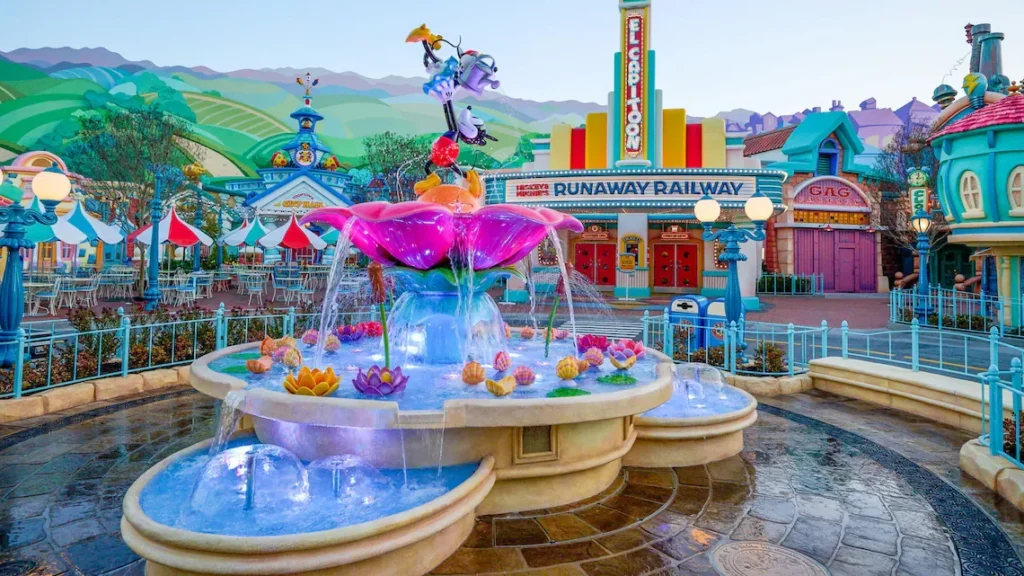 © Disneyland Resort
Confirm the holiday features before promising them
Find the current event or entertainment listing for the exact date. Check the year, park, performance times, any stated age guidance, and the booking process. A holiday season can contain several different products and schedules, rather than one experience running the same way every day.
Do not promise a character, show, meal, or special activity from a photograph alone. Keep unannounced details provisional in your own planning. If the main attraction is not confirmed, decide whether to wait, choose another date, or build a regular park visit instead.
Disneyland's official app information describes park hours and showtime tools. Use the current schedule and notices when arranging the actual day. Leave room for operational changes even after a performance has been listed.
Our Christmas event-ticket guide explains how seasonal access can differ from normal admission. The group should understand what is included before one person presents a festive plan as already settled.
 © Disney / Walt Disney World Resort
Pick a small shared core
Choose a few highlights most or all of the group wants. These might include a suitable attraction, one confirmed performance, and a meal. The shared core gives the day an identity without filling every possible hour.
Ask what each highlight requires. A timed show needs a route and an appropriate arrival plan. A restaurant booking has its own terms and timing. A ride needs individual requirements checked. A walk through a setting needs enough usable time for the people who want to explore it.
Put those pieces on the official map. Look for a sensible route, practical breaks, and the distance between areas. Our map-reading guide helps you connect interests with the physical visit rather than arranging the day only from a list of names.
Leave optional choices outside the core. That makes it easier to adjust when the group wants more time somewhere or an experience becomes unavailable. A shorter shared list is useful when it gives people room to enjoy what they chose.
 © Disneyland Resort
Give different interests a clear place
Make a pleasant alternative part of any split. Some people might explore nearby or take a break while others ride, then meet at an agreed spot. Everyone should have a part of the festive day to enjoy, rather than an automatic turn watching the bags.
Set the practical boundaries before splitting. Who supervises children? Who holds tickets and essential items? How will people reconnect if a phone has no charge or service? Everyone involved should understand the plan without needing a stream of updates.
Our different ride-comfort guide can help keep those choices voluntary. A holiday visit should not make someone feel obliged to use an attraction simply because another person considers it the main event.
Give the smaller-interest group real time too. If the plan repeatedly protects the keenest rider's choices while shortening everyone else's, revise it. Shared does not have to mean identical, but the arrangement should feel fair to the people attending.
Put meals and breaks in the first version
Choose when and where the group expects to eat. Read current menus, dining hours, and booking terms for anything essential. A festive-looking meal in a promotional image should not become a promise of an available holiday menu.
Check outside-food rules if you plan to bring snacks or a meal. Keep specific needs connected to the venue's current guidance and ask the relevant team when a detail is unclear. Our food-planning guide helps you make that check before the day.
Add pauses near the areas you intend to visit. A break should not require a long crossing or depend on everyone being exhausted enough to agree. Our break-planning guide offers ways to make rest part of the route.
If a later show is important, compare it with the group's likely finish. An early start and a late ending can create a longer day than some visitors want. Decide whether a later arrival or a shorter evening fits the actual admission and transport arrangements.
Read the admission as a group purchase
Confirm each person's ticket, date, park, and required reservation. Check whether the seasonal experience uses ordinary entry or a separate product. Do not assume that everyone needs the same extras simply because the group plans to spend part of the visit together.
Disneyland's eTicket terms distinguish separately priced events unless inclusion is stated. Read the actual product for your venue and seller. A normal park ticket should not be treated as access to every separately admitted holiday session.
Before anyone pays for the whole party, share the proposed products and total commitments. Include travel, parking, food, lodging, and intended extras. Our trip cost guide helps you compare the whole outing rather than leaving additions to appear later.
Read change and cancellation terms when the plan is not firm. A flexible discussion does not guarantee a flexible ticket. Our refunds and changes checklist can help you identify what needs confirming first.
 © Disney / Walt Disney World Resort
Test the plan with a simple example
Imagine a group with three different wishes: one person wants a particular ride, another wants seasonal entertainment, and another mainly wants a shared meal and the park setting. The plan should give each wish a real place rather than adding the last two only if the ride list leaves time.
Start with the confirmed show and a realistic meal arrangement. Place the desired ride in a flexible block, with a useful nearby choice for anyone skipping it. Leave a pause between the shared pieces so moving, eating, and regrouping do not become a constant rush.
| Part of the visit | Shared plan | Flexibility to preserve |
|---|---|---|
| Arrival | Meet and confirm the first destination | Time for entry and essential needs |
| First highlights | A few suitable experiences | An optional ride or alternate activity |
| Meal and break | Reconnect at the agreed place | Enough time to eat and pause |
| Seasonal feature | Follow the confirmed listing | A useful choice if it changes |
| Finish | Use the agreed return plan | An earlier exit for those who need it |
This is a planning example, not a suggested schedule for a particular date. Use the actual park map, operating notices, and your group's choices to fill it in. Do not add exact times until the fixed parts are confirmed.
0 thumbs up0 thumbs down
Was it useful? Pick a thumb.
Guides & stories
Keep the good ideas coming.
A few next reads to help with the choices ahead.
A little planning that goes a long way
Why Park Layout Matters When You Choose Your Day
A great ride list can still make a tiring route. Look at the spaces between your favorites, place real breaks on the map, and choose a park day that holds together.
Read article
A little planning that goes a long way
How to Choose a Theme Park for a Multigenerational Group
A good family trip leaves room for more than one pace. Choose a park around shared interests, useful access information, and the practical details that help several generations enjoy a day together.
Read article
A little planning that goes a long way
How to Plan a Park Day for Different Ages
Big ride fans, small explorers, and everyone between can share a good park day. Build a fair plan around a few shared highlights, flexible breaks, and choices that respect different interests.
Read article